By Norm Rosenstock
Photos courtesy of the author
As seen in the February 2002 issue of Model Aviation .
When I was a youngster going to school, I—as did many kids my age—thought history was a bore. Who cares what some old guy said or did years ago? What does that have to do with me, here and now?
The answer was to come soon enough.
At the age of eight, I saw a model airplane for the first time. In school, we had what is now called show-and-tell, and one of my classmates brought in a beautiful rubber-powered model airplane he had built.
It had roughly a 16-inch wingspan and was covered with white tissue. I can remember it today as if it was yesterday.
When school let out, I found this classmate and bombarded him with a million questions, such as “How do I start to build one?” It was difficult to learn the necessary skills to create a successful model. I had no friends who built models, so I was on my own.
Eventually, I discovered model magazines. I think my first was Flying Aces. I found some excellent articles in these magazines, and they were a great source of modeling information.
Without realizing it, I was reading about what someone else had done to solve his modeling problem. I was learning from the author’s history. He wrote this article for others to see and from which to learn.
When we read a magazine, a book, a newspaper, or any form of information, we are referring to, in reality, history to learn how to manage our work, our lives, and our future.
The library is a monument to history that we turn to when we want to learn something about a given subject.
Each generation does not have to reinvent the wheel. We learn from history how things were done then move on to invent or discover what else is needed.
Early man realized the need for recording history and the need to pass on those things that were learned. History was necessary for the survival of our species and the progress of our civilization, and it is just as important today.
The future is simply history that has not happened yet!
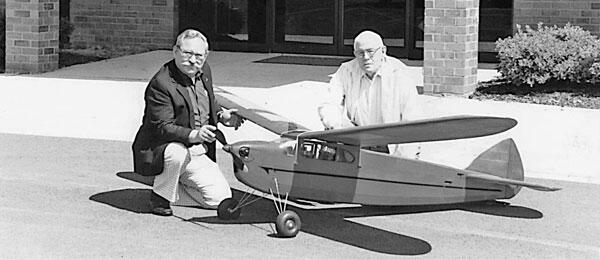
I had known Joe Raspante for roughly 30 years, and I admired his work. He was a true pioneer in the RC modeling field.
Joe and others like him are responsible for the development of RC as we know it today. Men such as DeSoto, Joe Raspante, Walt and Bill Good, and Ed Lorenz opened the door to the possibility of RC models.
One day, Joe told me that he was giving his model, the Willie III, to the Nassau County Cradle of Aviation Museum on Long Island NY; he felt that if anything ever happened to him, the model would be trashed.
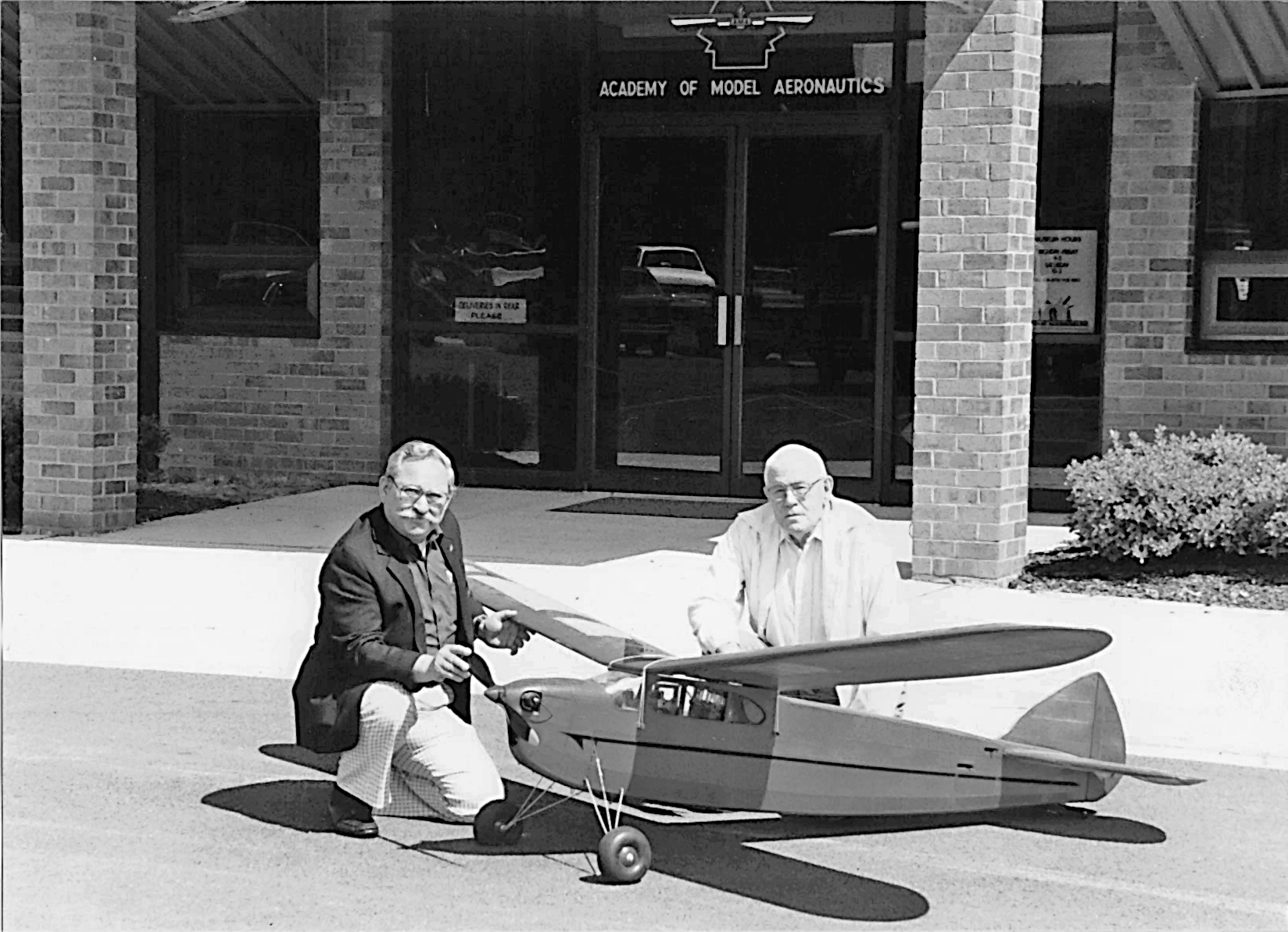
He must have known that his end was near because he passed on a couple of years later.
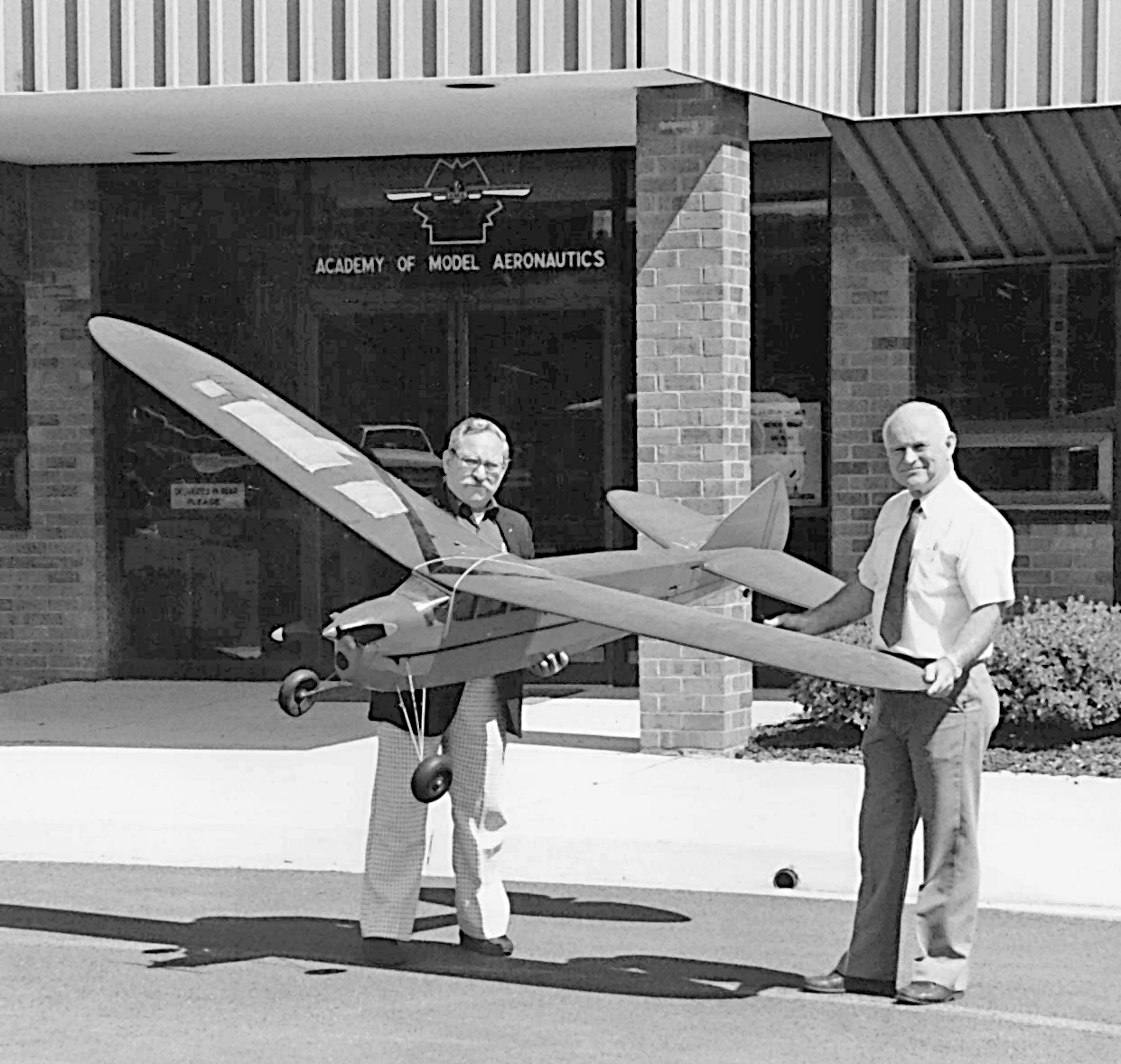
Because of my volunteer work at the Nassau County Cradle of Aviation Museum, I became aware that it had two fine models: Joe Raspante’s Willie III and John Roth’s FAI contest-winning Scale model of the Volksplane.
At that time, John Worth was the executive director of AMA. He and I had discussed the possibility of obtaining these models for our museum.
After two years of negotiations between the Cradle of Aviation and the AMA museum directors via mail, I got a telephone call one Monday morning informing me that I could come pick up these models for delivery to Reston, Virginia.
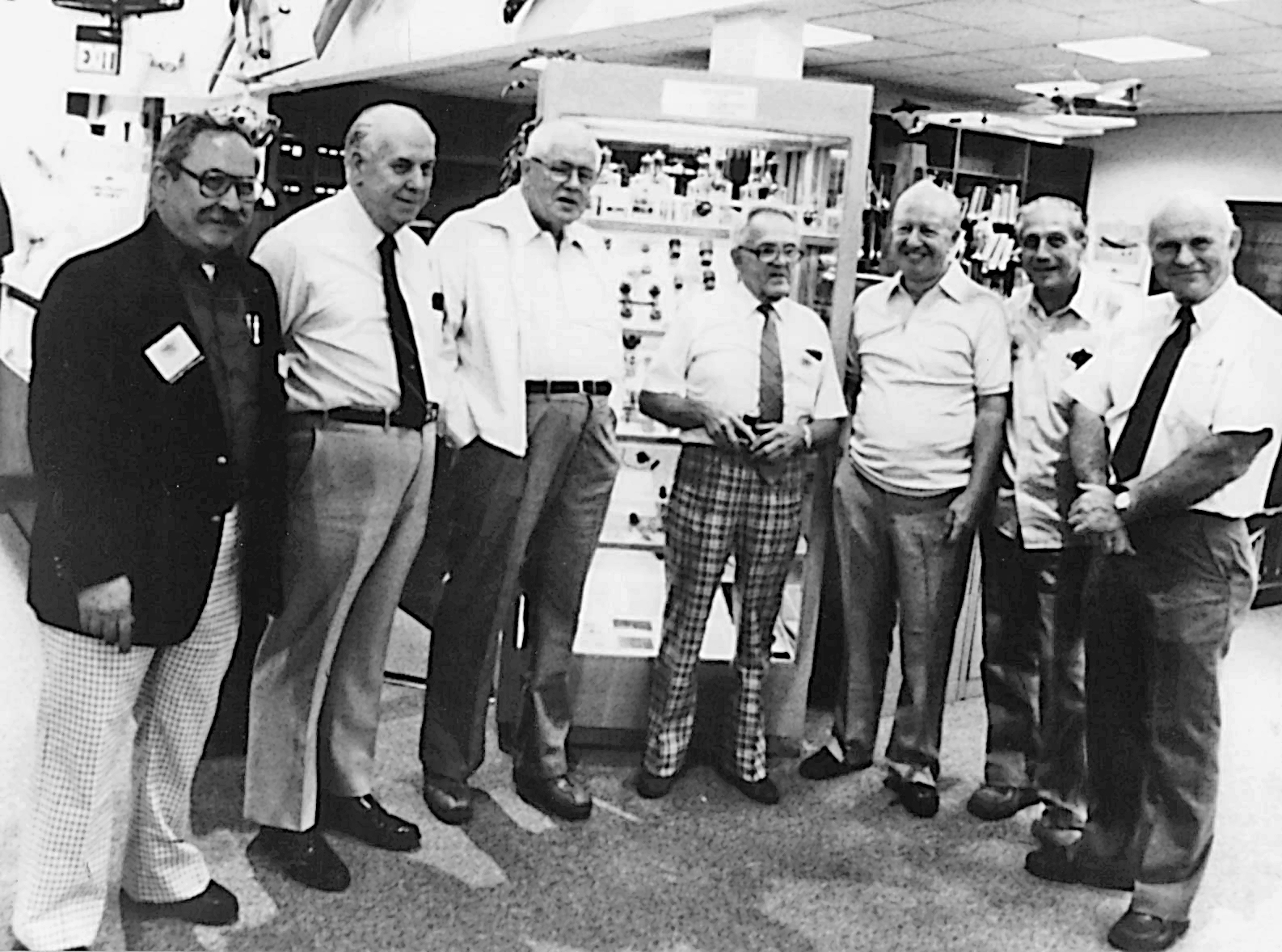
In 1986, I drove down to AMA’s Reston facility for the first time. I was very impressed with the “new” museum, and I met the first curator: Colonel Hurst Bowers. Space was made for these models, and they were immediately put on display.
In the conversation that followed, I asked John why we had no historian.

“Historian—what do you mean?” he asked.
I replied:
“It’s nice to have Carl Goldberg’s original Sailplane and to have Joe Raspante’s Willie III, but a generation or two from now, some young modeler seeing these models might ask, “Who was Joe Raspante or Carl Goldberg?
“It’s important to have these artifacts, but without the history of those who created them, it is all meaningless. We need the history of these famous people, as well as their models that you are exhibiting.”
When I returned home, I kept up a stream of correspondence with John, pushing the need for a historian. He agreed with me.
“We just got the museum started this year,” he said. “Give me a little time.” That was the summer of 1996.
John “retired” shortly after that, and the new executive director was not interested in the concept.
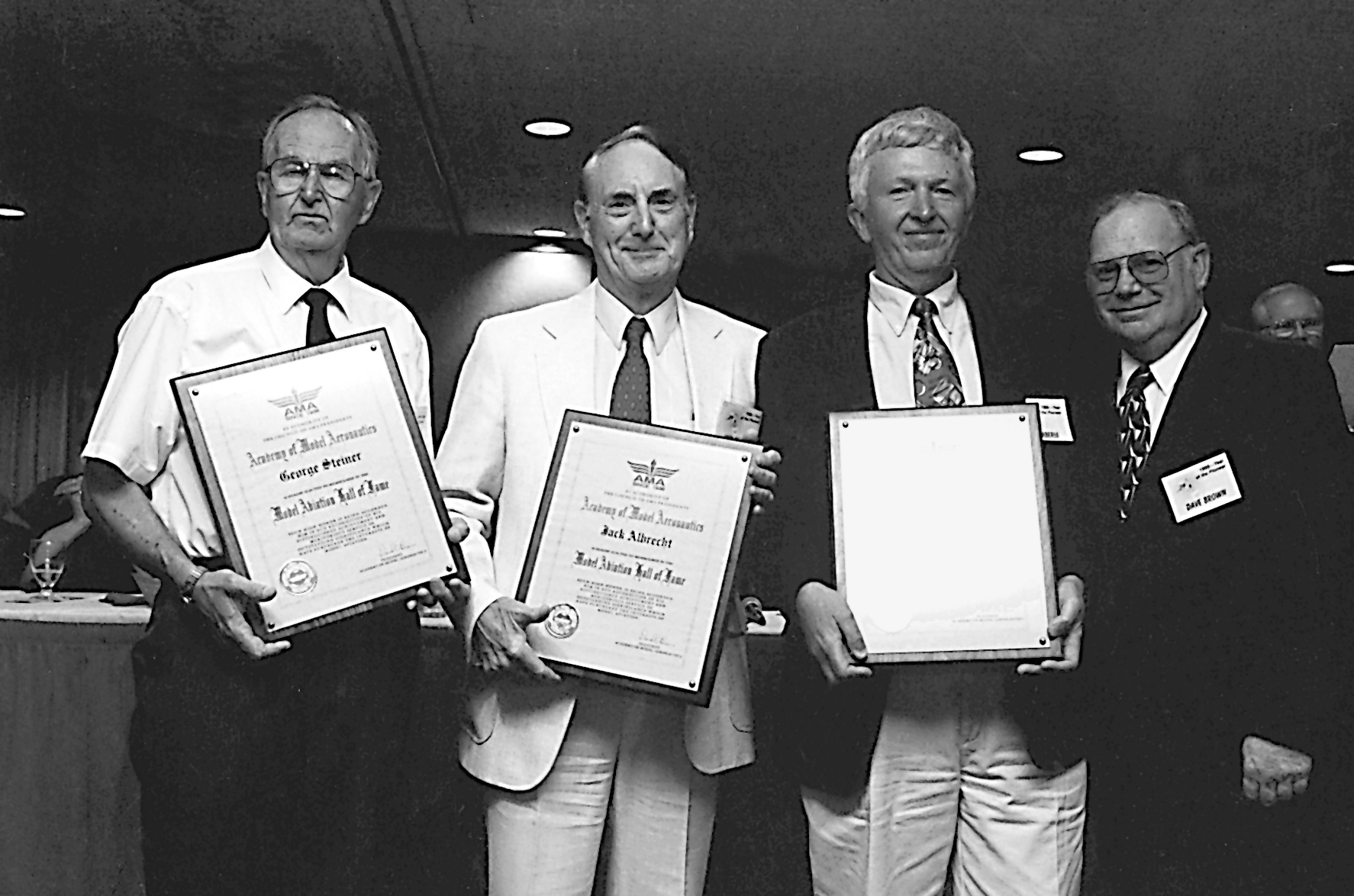
In 1993, AMA moved to Muncie IN. I was silent because there was no responsive ear in AMA at the time.
In 1994, I went to Muncie to attend the SAM (Society of Antique Modelers) Champs and to receive my Hall of Fame award. While there, I met Executive Director Jerry Rouillard.
At the banquet, Jerry spoke to the audience and told of his learning about modeling by reading my book Tales of an Ancient Modeler (Jerry was not a modeler). I started to write to him about my concern for the need for a historian.
Unfortunately, Jerry’s tenure was short-lived, but the letters I wrote to him were sent to the new museum curator, Gary Prater.
Gary called me one day, and we had a lengthy conversation. Again, I started to write about the need for a history program.
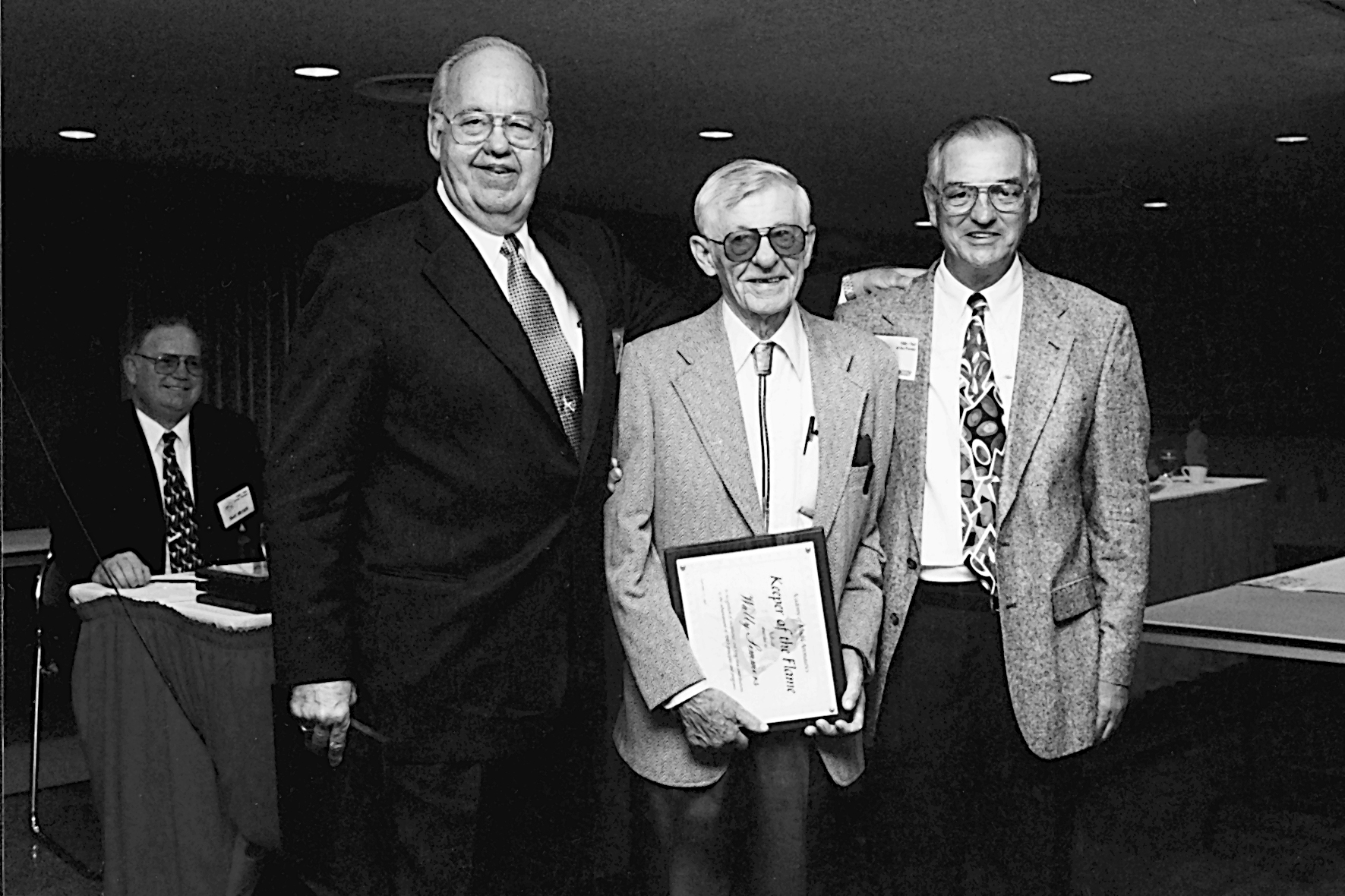
My letters were exchanged among a number of interested people, one of whom was George Aldrich, who was then the District VIII vice president and museum program chairman.
One morning during the first week of May 1996, I got a telephone call from George telling me he had good news and bad news.
“The good news is that I have just returned from an executive board meeting and discussed your concept,” he said. “It was agreed to create a history program and have a historian.”
“That’s great,” I responded enthusiastically. “So, what’s the bad news?”
“The bad news is you are it!” he said.
“George, what do you mean?” I asked.
“I mean, you are our new historian, and John Worth is your assistant!” he replied.
That was not what I had hoped for; I thought it would be the other way around.
I hesitated for a moment because I was totally unprepared for this eventuality. I realized in a moment that if I turned down this assignment, all of the drum-beating would have been for naught.
I gave the only answer that would keep this dream alive: “Yes!”
It’s been five years since then. My files contain more than 300 biographies in folders, and more keep coming in. Of those 300, I have processed more than 120 biographies. I have done the best job I can for modeling, for AMA, and for the AMA museum.
There is much yet to be done, but I will not bore you with the number of needed history projects I have in mind.
An often-asked question is, “Who is a good subject for a biography?”
That is someone who has been modeling for many years and has a personal history of contributions to modeling and model aviation.
In soliciting biographies for the History Program, I use a biography request form I created to request—no, to plead for—the many modelers’ biographies.
A great deal of modelers who would make good biography subjects are reluctant to write them. They may have written many great articles for model magazines in their lifetimes, but writing about themselves seems to be a problem.
Some famous modelers have become too old to write their own biographies or are deceased. I have been fortunate to have volunteers who write biographies for those who are incapable.
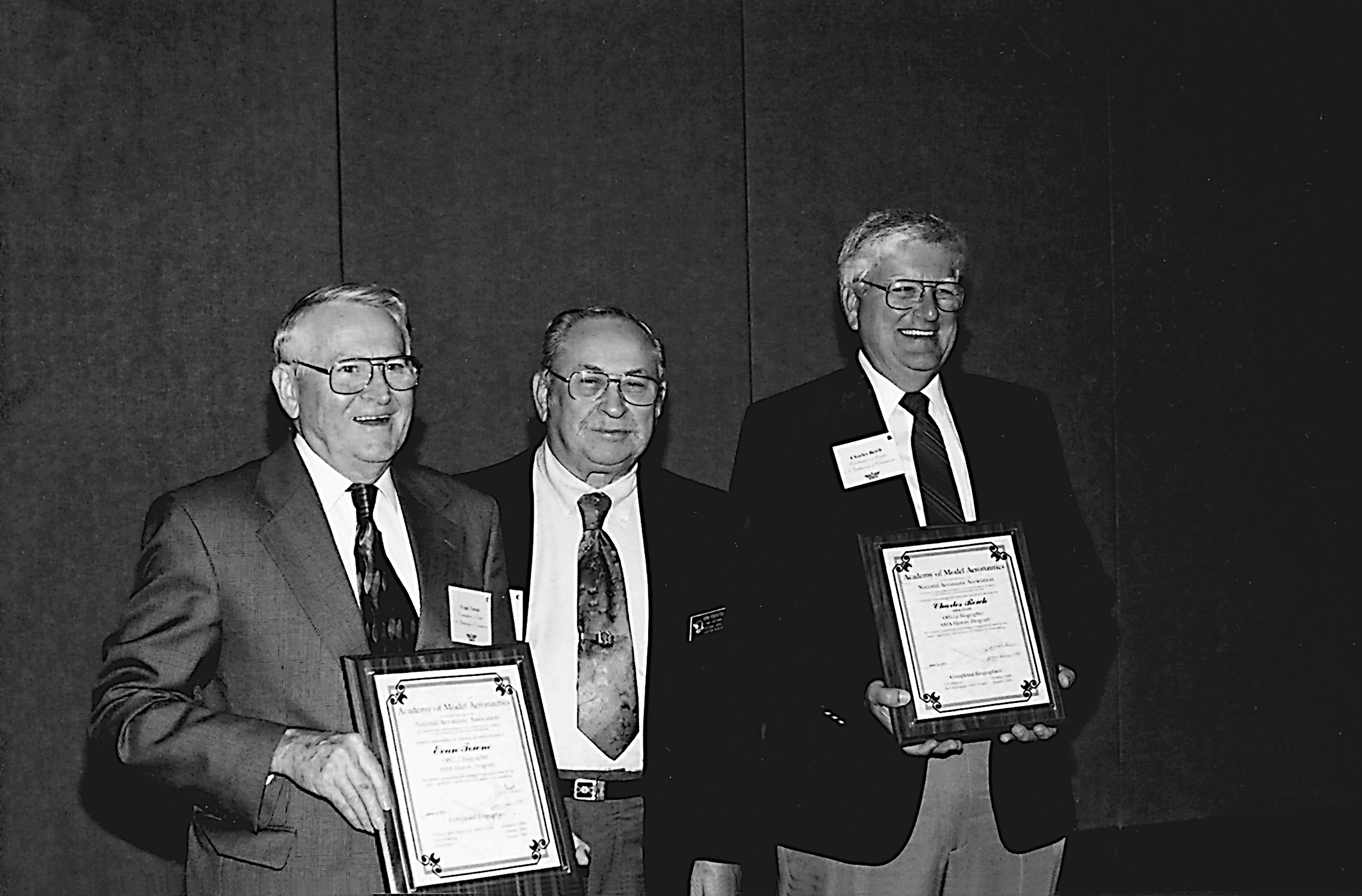
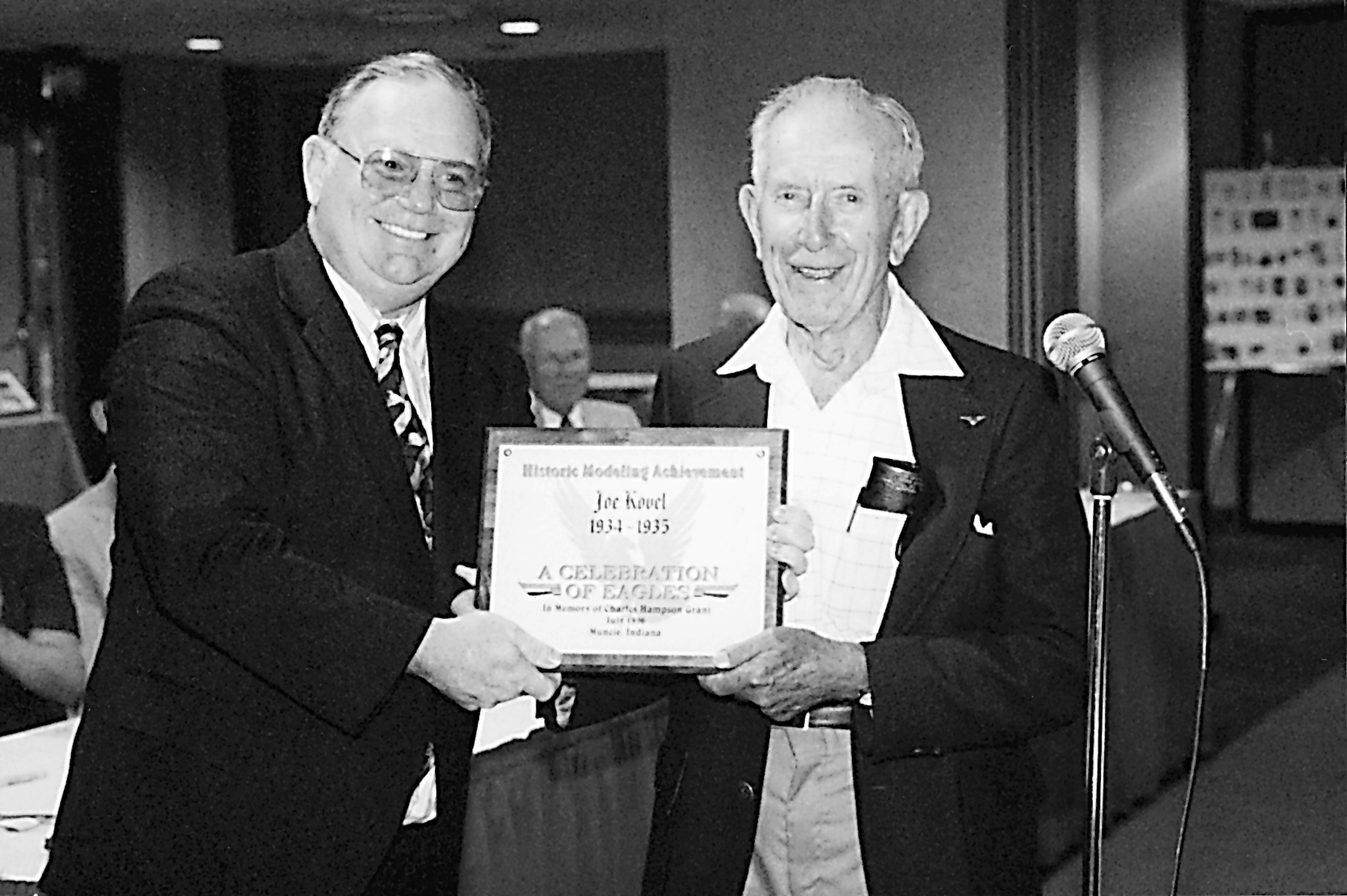
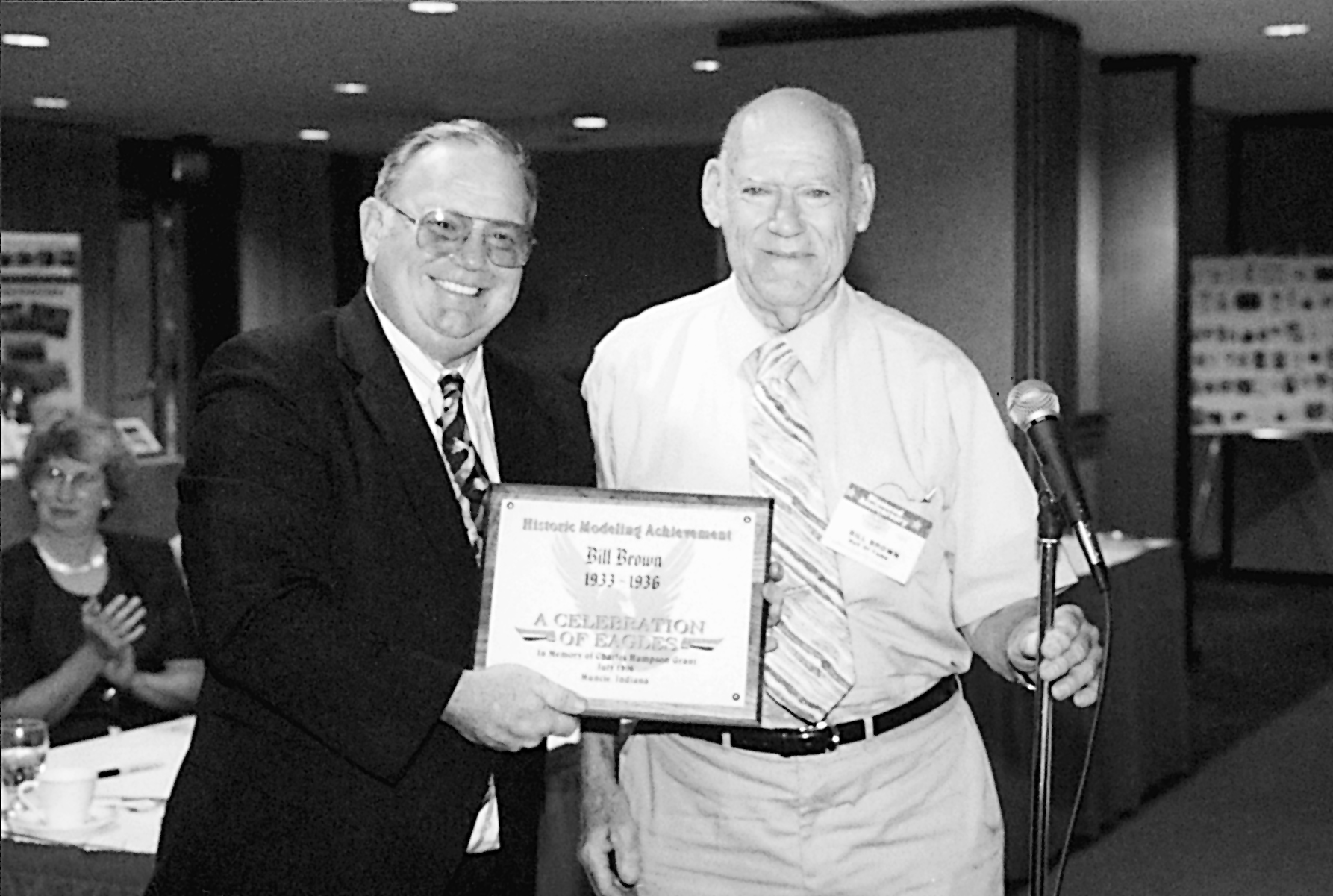
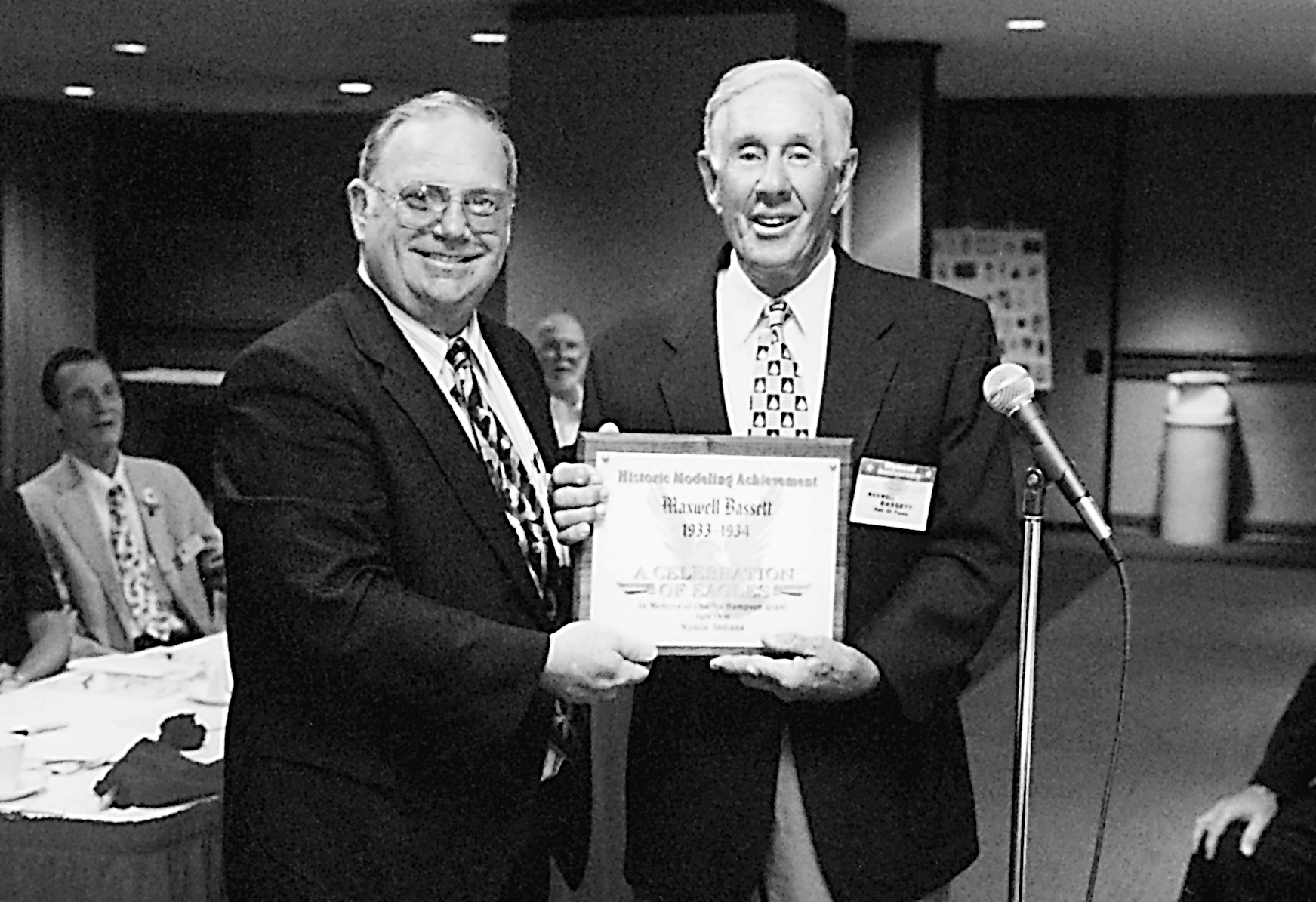
At the Celebration of Eagles III this past summer in Muncie, I presented awards to Charles Reich, James Bennett Jr., Evan Towne, and Jim Simpson for their excellent work in this endeavor.
The biography request form is an invitation to take part in our marvelous history. It requests basic information about a person, such as name, address, age, and AMA number.
Included on the form is a guide to help writers organize their thoughts. You begin by making an outline. Make a list of your life’s experiences or use the suggestions listed.
1. The beginning. Your first model.
2. First club you belonged to.
3. Models you designed.
4. If you were a contest director or Leader Member.
5. Articles you wrote.
6. Honors you’ve received.
7. Hobby industry experience.
From there, make an outline starting with item 1.
1. The beginning.
a. Started modeling at age 10.
b. Joined a club (name and date).
c. Entered my first contest.
Now expand on the data you have written. Start with:
a. Started modeling at age 10.
• I went to the park one day and saw a man flying a model.
• I asked him many questions.
• I asked where he bought model airplane supplies.
Put all of that information together, and you get a paragraph such as:
a. I started building at the age of 10. I went to the park one day and saw men flying models. I asked them many questions, such as where I could buy model airplane supplies.
Move to item 2 from there and so on, until you have completed all the items.
If you do that with each point you listed at the beginning, you will have written your biography before you know it. It’s really not that difficult.
The goal of this program is to record the history of this wonderful world of modeling and make these records available to each AMA modeler who is interested in where we came from.
As the records are processed, they are added to the National Model Aviation Museum website under AMA History Project (see “Sources” for the link).
This story has only one sad note: my good friend and sponsor of my History Program, George Aldrich, passed away July 4, 2001. We will miss his big smiling face and his positive attitude about life and modeling.
Editor’s Note: Norm Rosenstock passed away April 24, 2020. An AMA Life Member, he started modeling in 1932 and did so for more than 78 years. His AMA History Project autobiography is listed in “Sources.”
It is our ongoing endeavor to save the history of model aviation by collecting the stories of model aviation enthusiasts, the histories of modeling companies, clubs, and other organizations, as well as other compilations of historical data about the hobby/sport that is model aviation. We now have more than 1,000 modeler biographies, 61 club histories, and 26 company histories completed and online, and our collection keeps growing.
Do you want to add your story, a club's history, a company's history, or other types of modeling histories? Submit your story today! If you would like a little help writing it, feel free to use our helpful writing guides and forms listed below.
If you have questions, contact the National Model Aviation Museum at historyproject@modelaircraft.org or (765) 287-1256, ext. 511.
SOURCES:
AMA History Project Presents
Autobiography of Norman (Norm) Rosenstock
AMA History Project
modelaircraft.org/museum/history-recognition/ama-history-project
AMA History Project Biography Writing Guide
AMA History Project Biography Information Form


Comments
Add new comment