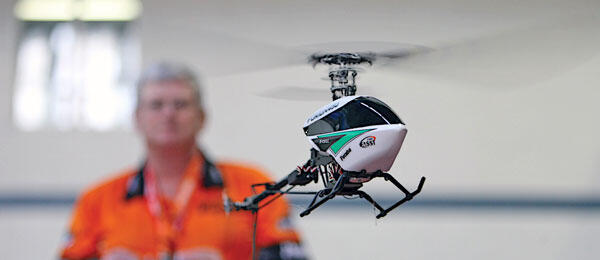
Radio Control Helicopters
By Mark Fadely
As seen in the January 2011 Model Aviation
Hi everyone. As we transition into the new year, it is a good time to reflect on your involvement with RC helicopters.
Are you just getting started with helicopters or have you been flying them for years? Are you having fun? Remember, that this is a hobby and it is supposed to be fun.
Helicopters are one of the most challenging and fun hobbies I can think of. To truly get the most enjoyment out of these aircraft, you have to put in some effort. That is true with most things.
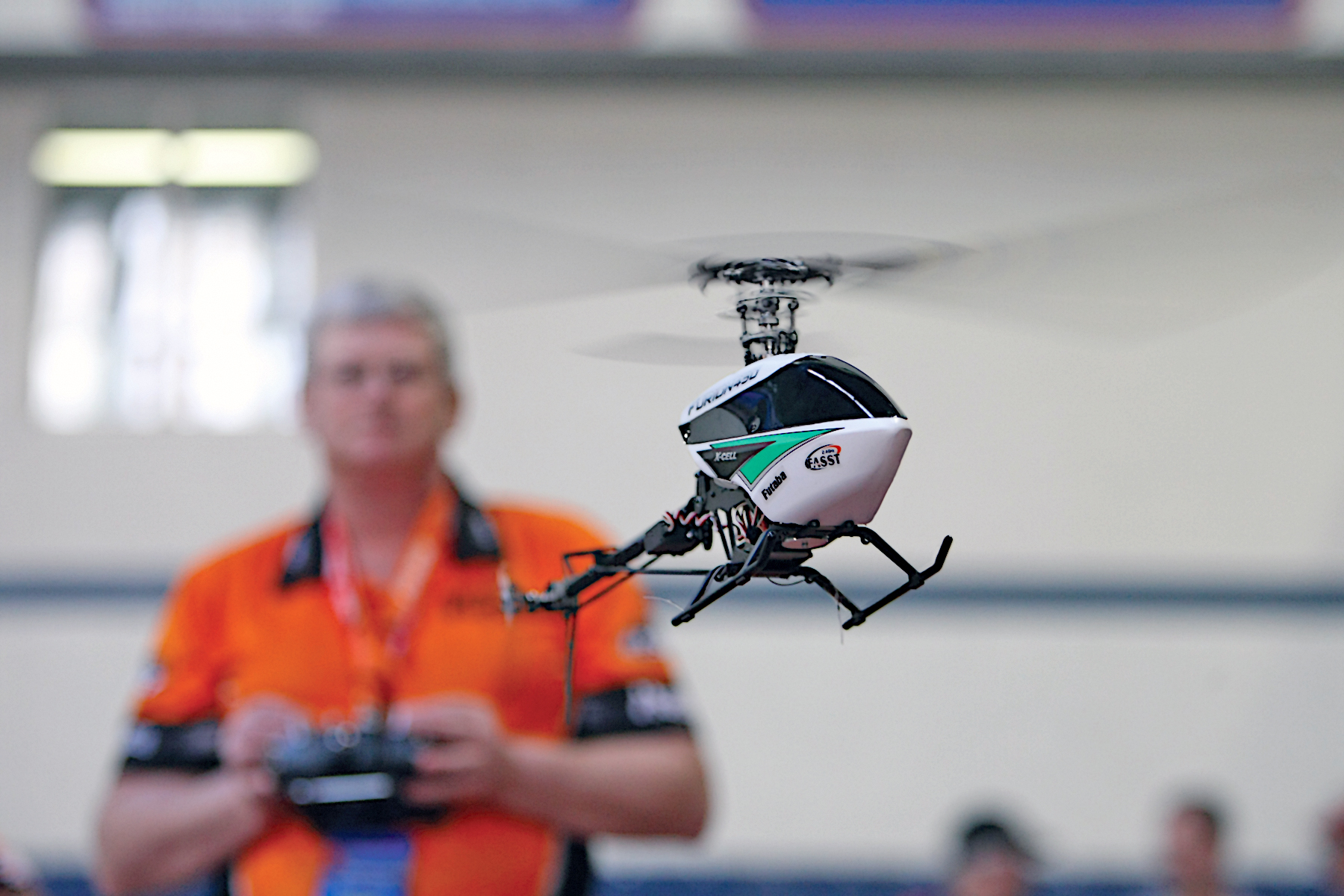
One topic has received much attention lately: the progression path a pilot should follow to advance his or her skills.
Pilots have various ideals about their flying style, but most agree that complete control of the machine is one of the highest priorities. It is tempting for an advancing pilot to skip a few steps along the way while focusing on the next cool trick.
There is an organized schedule of progress specifically for RC helicopter pilots, called the Pilot Proficiency Program (PPP). It is available on the International Radio Controlled Helicopter Association (IRCHA) website. Click on the PPP button when you get there.
Contest flying has seen renewed interest, as an influx of enthusiastic pilots jumped into the Nats Class I competition this year. Contest flying is the ultimate test of RC helicopter precision control.
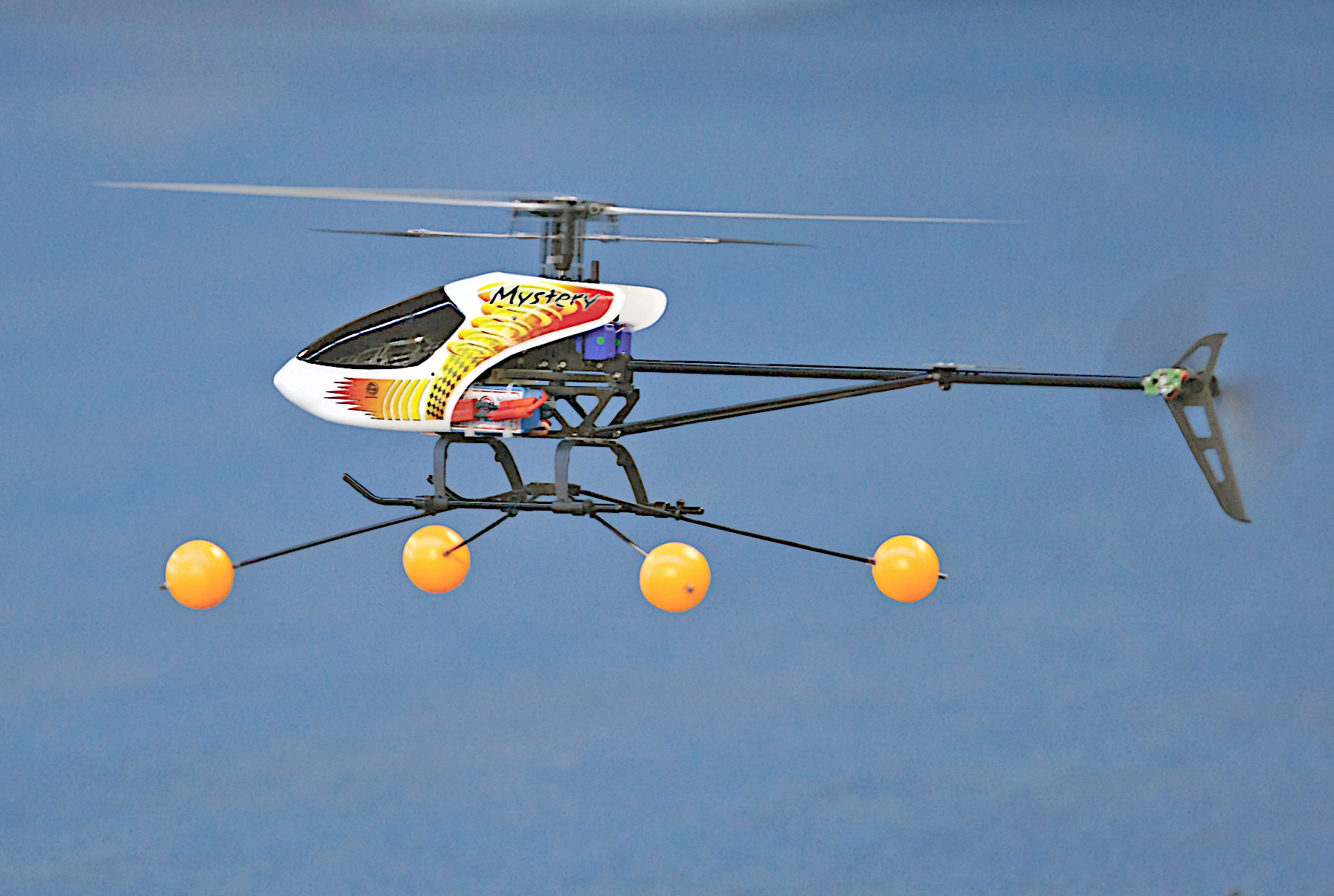
There are four levels in which you can compete: Class I, II, III, and the FAI schedule, or F3C. The FAI is the world governing body for air sports, and it holds the highest level of precision competition.
Many newcomers get excited watching 3D videos and try to copy what they see. These pilots often become discouraged as they realize that it takes a lot of work to learn how to do the wild 3D maneuvers. Discipline and a desire for precision will pay big dividends as your flying progresses.
Pilots can benefit from practicing some elements of contest flying. The goal in any RC flying is to become comfortable with the machine in any orientation. Flying 3D requires the pilot to make quick decisions responding to orientation changes.
Contest/precision flying presents essentially the same orientations to the pilot, but at a slower rate. You might be surprised to learn how many good 3D pilots struggle with the orientation control of contest flying.
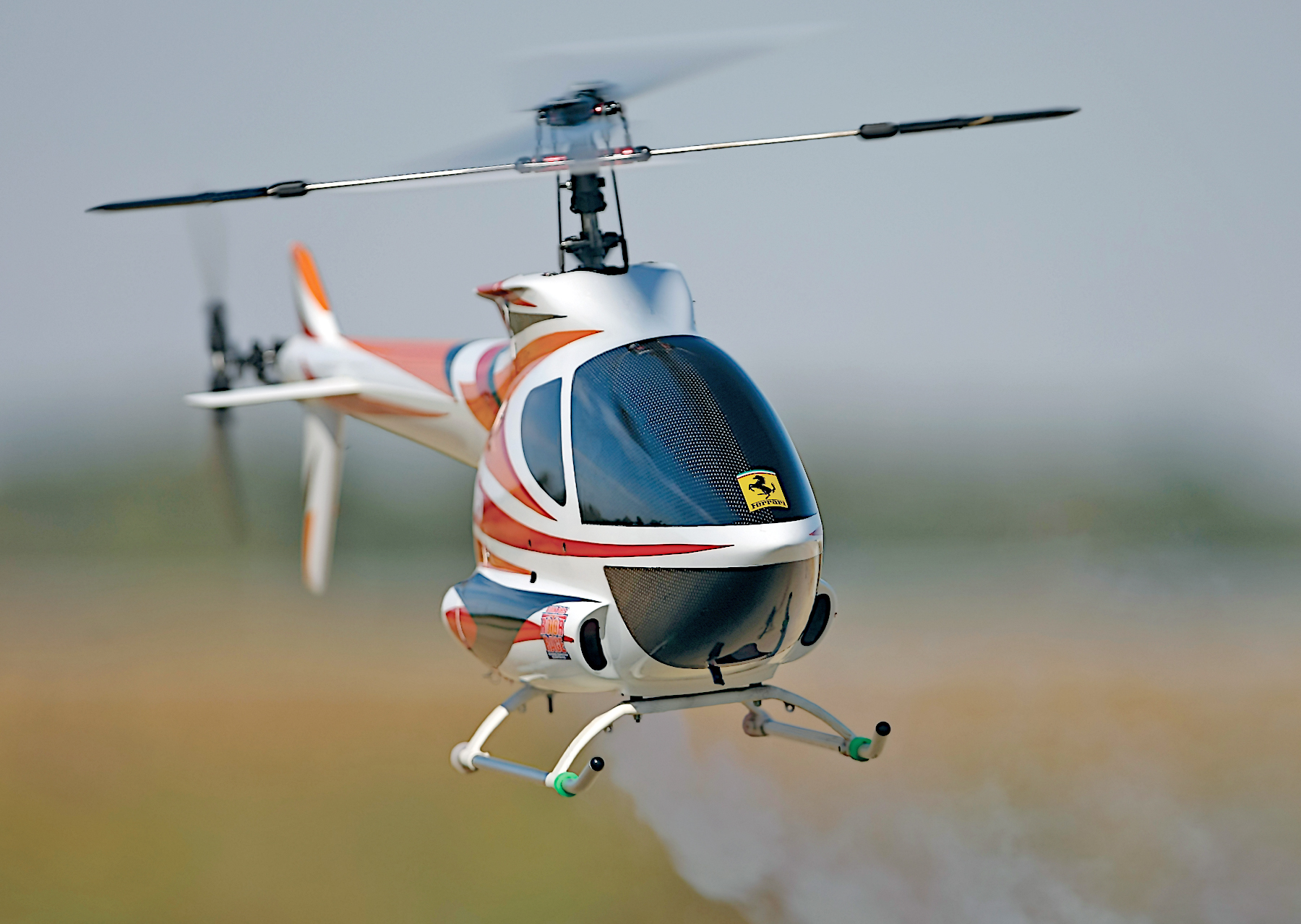
A good New Year’s resolution would be to practice precision maneuvering. Try doing a 1-minute pirouette while hovering over a spot.
If you can fly inverted, flip the helicopter over and try the pirouette upside-down. At first the aircraft will probably move around, but you should improve quickly.
If you take the time to learn and practice a few basic Class I contest maneuvers, it will improve your skills.
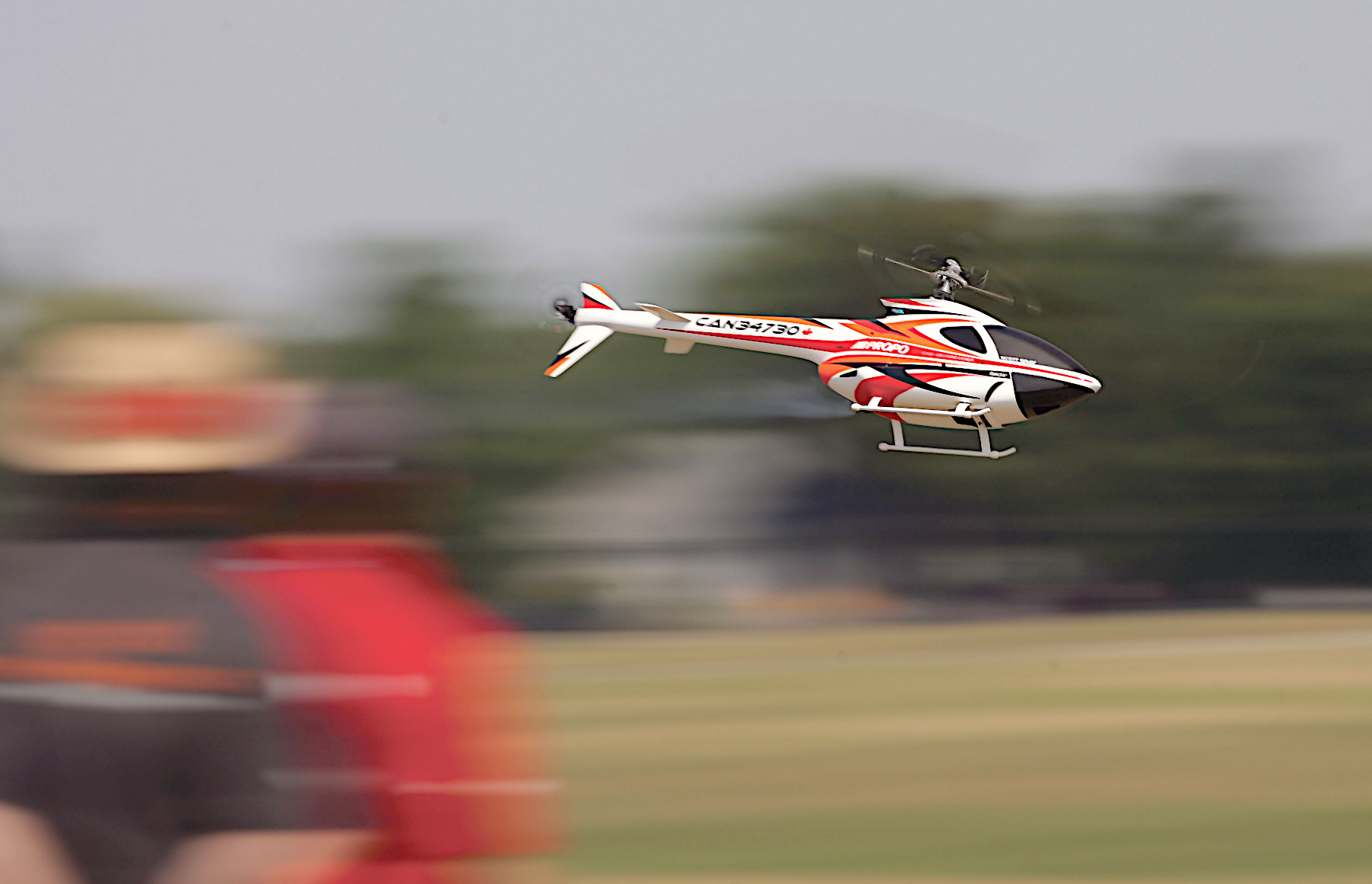
There are classes to suit all skill levels of pilots. Not all fliers are into competition, though, and that is where IRCHA’s PPP can be a great alternative.
The following is an excerpt from Level I of the PPP.
E. 3/4 Rear View Hovering
1. Take-off to Hover, Hold for five (5) seconds.
2. Rotate the nose of the Helicopter either left or right forty-five (45) degrees,
hold for five (5) seconds.
3. Rotate the nose of the Helicopter back to straight ahead, hold for five (5)
seconds.
4. Continue rotating the nose of the helicopter forty-five (45) degrees to the other
side, hold for five (5) seconds.
5. Rotate the nose back to straight ahead, hold for five (5) seconds.
6. Land with the skids completely within the landing area.
F. Full Lateral View Hovering
1. Same as 3/4 View Hovering, but in steps 2 and 4 rotate ninety (90) degrees
instead of forty-five (45) degrees.
G. Diagonal Hovering
1. After take-off from the landing area within center of a 10 meter/yard box, from
Stationary Hover, maintaining a constant heading, move the helicopter diagonally
to a corner of the box, hold for five (5) seconds, then return to the center of the
box.
2. Repeat with the remaining 3 corners of the box.
3. Land with the skids completely within the landing area.
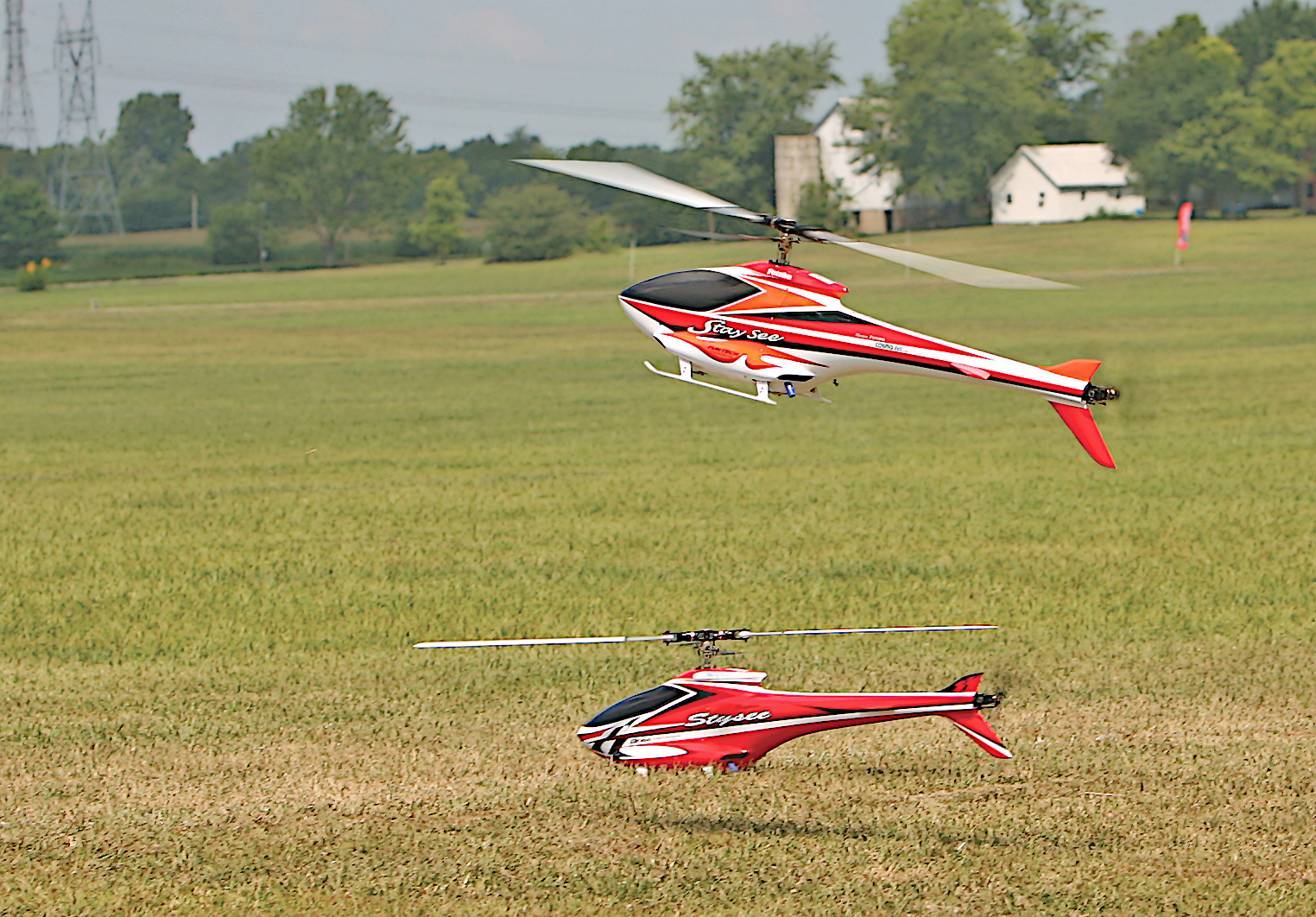
H. Circle Hovering
1. Tail-in Circle
a. Take-off, hold hover for five (5) seconds.
b. Move the helicopter to the right; keeping the tail pointed at the pilot, in
a circle around the pilot, until the helicopter is hovering over the take-off
point.
c. Move the Helicopter to the left, repeating step b above.
d. Land with the skids completely within the landing area.
2. Constant Heading Circle
a. Take-off, hold hover for five (5) seconds.
b. Move the helicopter to the right, keeping the tail pointed in the same
direction; complete a ten (10) meter circle in front of the pilot until the helicopter is hovering over the take-off point.
c. Move the helicopter to the left, repeating step b above.
d. Land with the skids completely within the landing area.
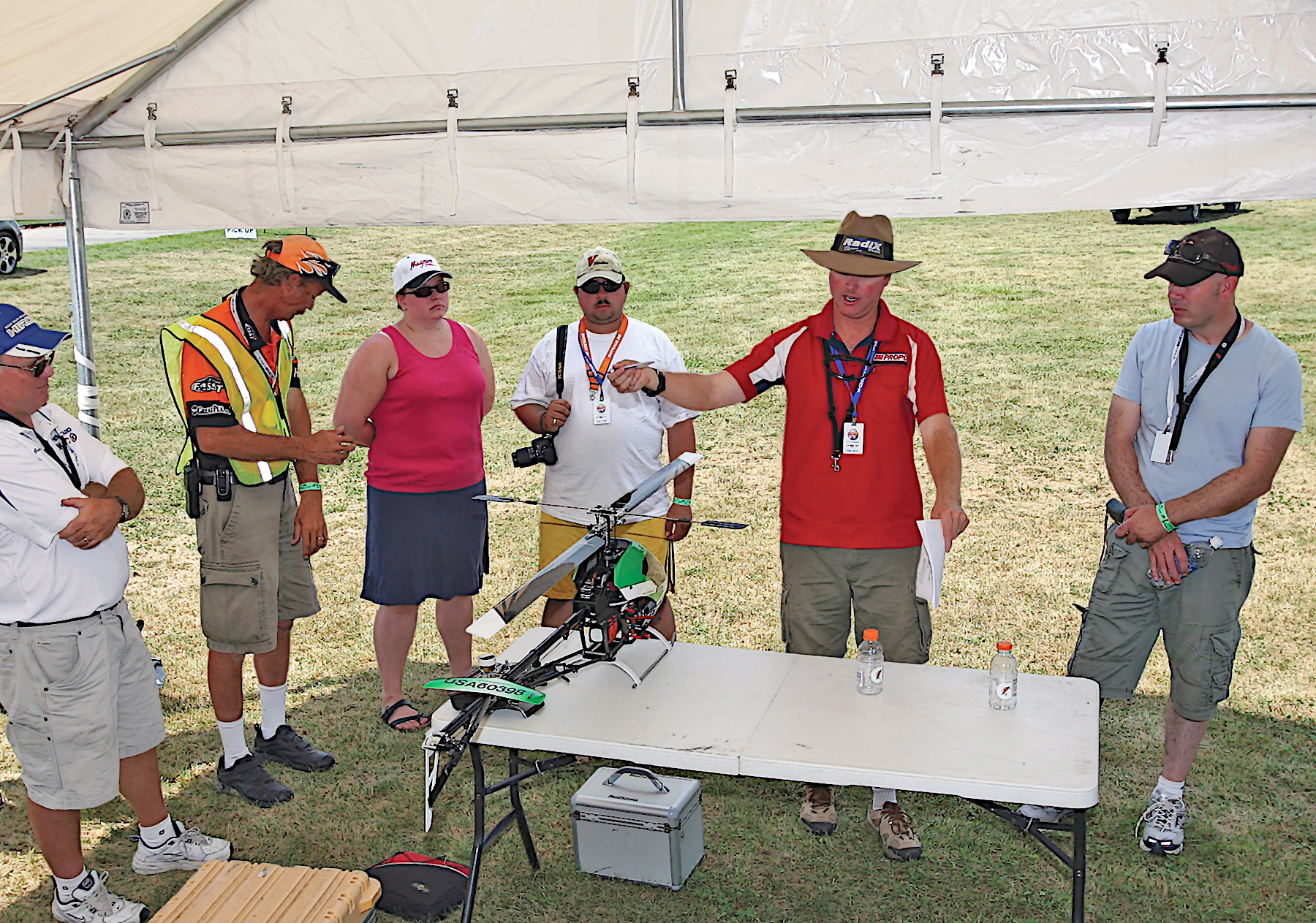
The PPP requirements are thorough. After you complete a maneuver, you are required to fly it in the opposite orientation. To be official, you must have a witness sign off on your accomplishments.
I hope this has given you some food for thought for future flying. You can use a little of this information or become fully involved by actually flying in a competition next year.
Now go fly!
SOURCES:
IRCHA
ircha.org
IRCHA PPP Program
ircha.org/ppp-program
FAI
fai.org


Comments
Add new comment