ONE OF THEgreat privileges of serving our AMA community is getting a front-row seat to the passion, creativity, and resilience that define model aviation. Whether I’m visiting a long-established chartered club or meeting students who are discovering flight for the first time, I’m reminded that our strength has always come from two things: a supportive club network and an intentional investment in the next generation. As we look ahead, both are more important than ever.
Our clubs remain the backbone of the AMA experience. They’re where mentorship happens, where safety culture thrives, and where newcomers find a welcoming environment to learn and grow. However, today’s clubs are facing challenges that didn’t exist even a decade ago. These range from field access pressures to shrinking volunteer pools to limited community programs. Supporting our clubs means more than maintaining charters. It means offering them practical tools, advocacy, education, and guidance so that they can focus on what they do best: sharing the joy of flight.
Membership growth starts right there at the club level. When clubs are active, visible, and connected with their communities, they naturally become magnets for new members. But we also have to recognize that the pathway into model aviation looks different for young people today. That’s why AMA must continue expanding the variety of youth-centered opportunities that we offer. There is no "one-size-fits-all" approach when it comes to introducing children and teens to flight; each age group and each discipline reaches a different type of learner.
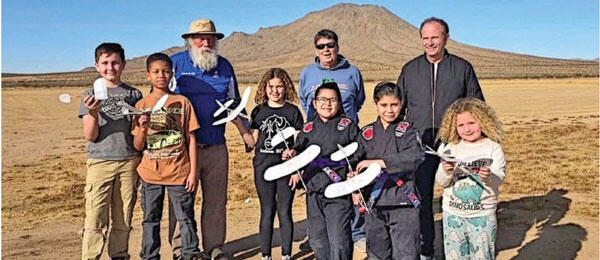
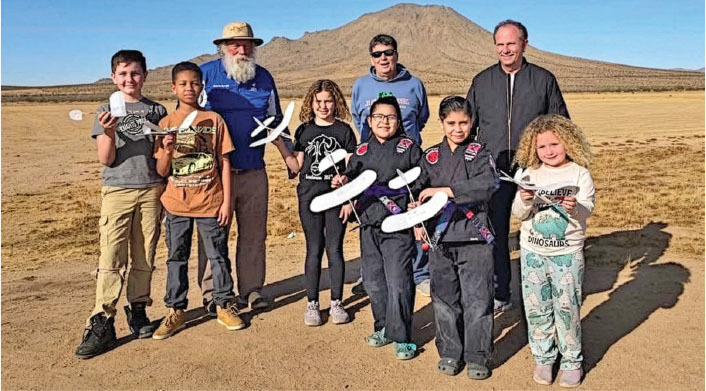
Free Flight continues to be one of the most accessible gateways into aviation. Simple materials, quick builds, and the pure magic of unpowered flight resonate with kids in a way that sparks curiosity instantly. School-based programs take this a step further, blending STEM principles with hands-on experience. When students build something with their own hands and watch it fly, they’re not just learning about lift and drag—they’re learning confidence, problem-solving, and perseverance.
Control Line, which is often a first love for generations of AMA members, offers something that today’s digital-native kids rarely encounter: the tactile challenge of learning a physical skill powered by both coordination and patience. RC, of course, remains a core pillar of our hobby, offering pathways that range from foam trainers and multirotors all the way to turbine jets and giant-scale competition aircraft. Each discipline has its own culture, its own lessons, and its own way of creating lifelong enthusiasts.
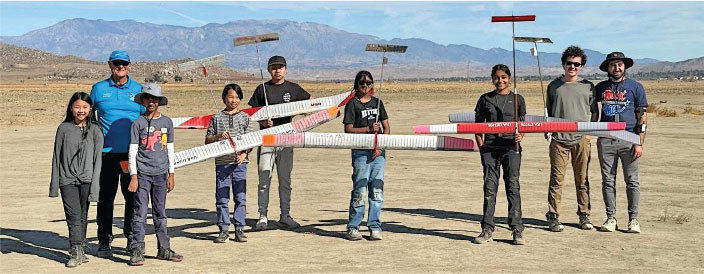
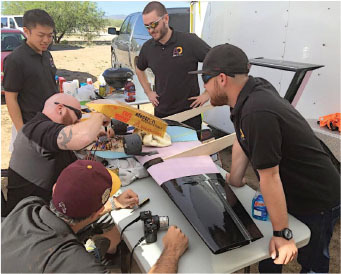
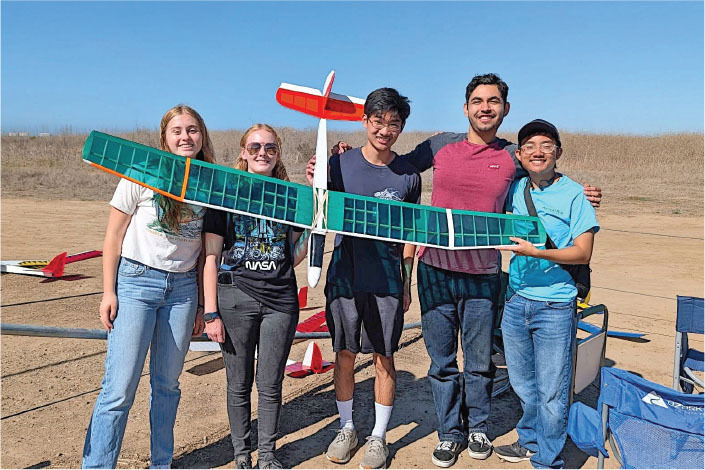
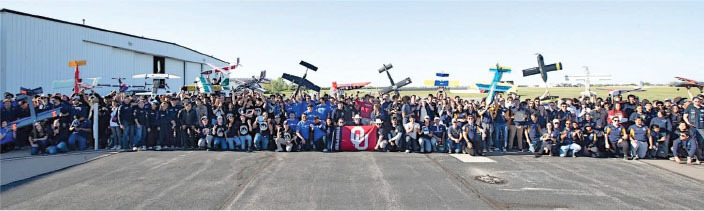
What ties all of these together is their ability to build interest not just in model aviation but also more broadly in aviation and aerospace. At a time when our nation faces shortages of pilots, engineers, technicians, air traffic controllers, and skilled trades, AMA’s youth programming matters more than ever. Every young person we introduce to the hobby is potentially discovering a career that they might not have otherwise considered. I routinely meet aviation professionals spanning from airline pilots to aerospace engineers who tell me, without hesitation, that their journey began with a model airplane.
This doesn’t happen automatically. It requires us, collectively, to lean in. Clubs can open their fields for youth days and school partnerships. Members can volunteer to mentor, teach, or simply invite a young person to the field. AMA Headquarters will continue developing modern learning resources, strengthening our education program, offering grants, and advocating for environments where clubs and youth programs can thrive for decades to come.
Our future depends on our willingness to invest today in our clubs, in our members, and, especially, in the next generation. If we want our hobby to grow, remain relevant, and continue to inspire tomorrow’s aviators, youth outreach isn’t just an option—it’s our responsibility.
Let’s keep building, teaching, and lifting others up. Together, we can ensure that the magic of flight continues to shape lives for generations to come.



Comments
Add new comment