
A three-way partnership for graduate success
By Larry Kruse
Photos by the author, except as noted
As seen in the December 2011 issue of Model Aviation.
Many university aeronautical engineering programs in the country tend to focus on theoretical knowledge more than the application of theoretical knowledge to the immediacy of solving real-world problems.
That has not been the case in the recent past with Oklahoma State University’s (OSU) School of Mechanical and Aerospace Engineering. Under the leadership of Dr. Andy Arena, the Maciula Professor of Engineering at OSU, students have benefitted by acquiring real-world knowledge and success through participation in a national aeromodeling design and performance competition, sponsored by the 35,000-member American Institute of Aeronautics and Astronautics (AIAA), the professional society for the field of aerospace engineering.
In the past decade, OSU aeronautical engineering students have compiled an impressive record in the annual AIAA competition—seven first-place wins, six second-place awards, two third-place awards, and one fourth-place finish—with multiple teams entered in each competition, collectively outdistancing all other universities in the US by a wide margin.
In the aftermath of this unparalleled success, Dr. Arena and his staff turned in a new direction this past year [2010] by forging a new partnership with the NASA Oklahoma Space Grant and AMA through the local AMA club, the Stillwater R/C Flyers.
This new alliance was used not only to organize a new competition, but also to establish a new, joint-use flying field to benefit all of the participating partners.
As a first step, the new OSU Unmanned Aircraft Flight Station was constructed 12 miles east of Stillwater with a 600- x 60-foot Petromat runway, pilot stations, a shaded pavilion, and a storage and maintenance building.
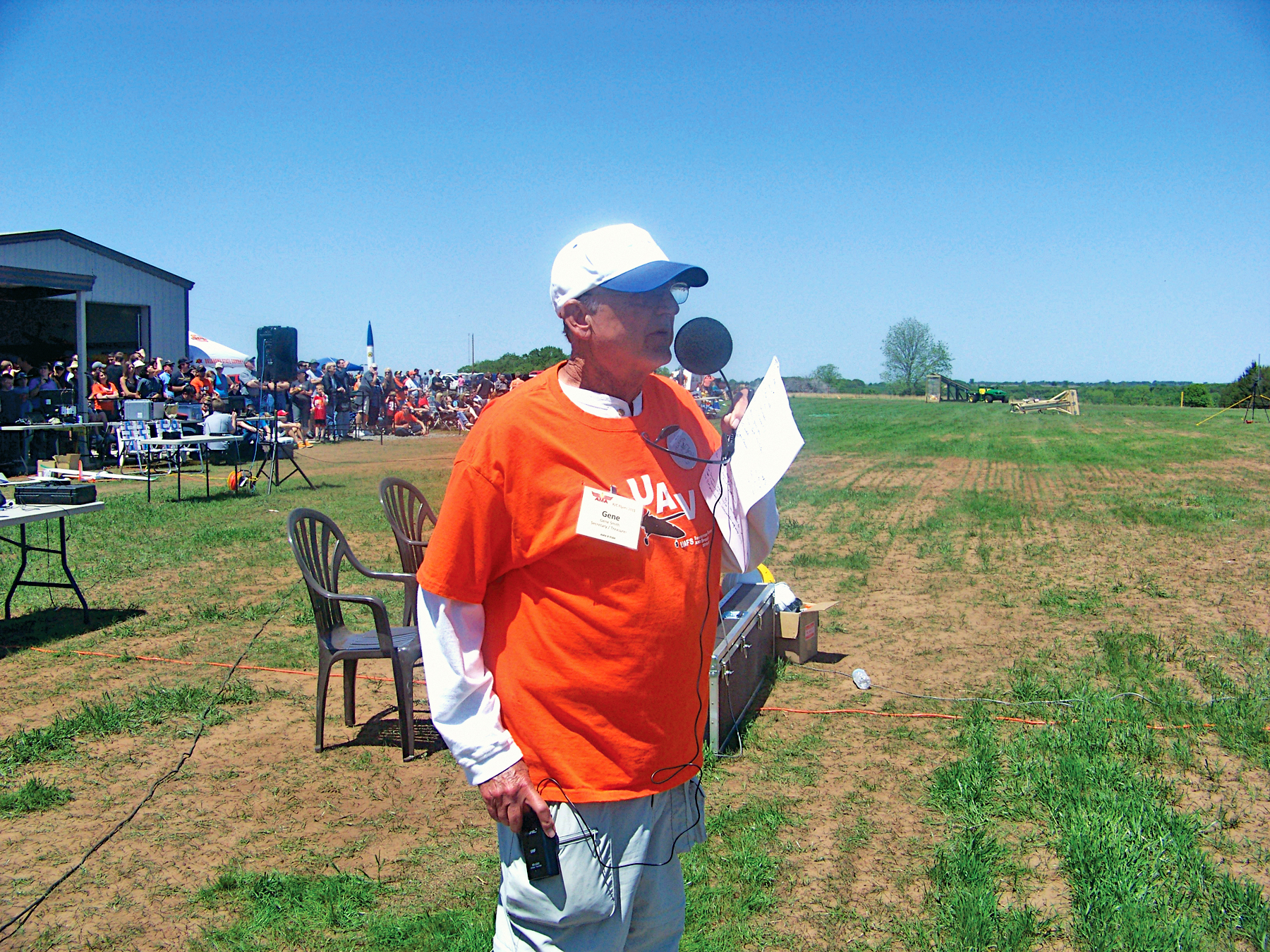
[Former Model Aviation “Free Flight Sport”] columnist Gene Smith, representing the Stillwater R/C Flyers Club, had this to say about the joint effort:
“Developing what would become a symbiotic relationship, Dr. Arena enlisted the Stillwater R/C Flyers’ help in planning the layout of the new site, laying the runway fabric, and developing the inaugural event program.
“The club’s affiliation with the AMA was instrumental in obtaining insurance coverage to protect the university as well as the club and its members.”
At the same time as the construction of the new field, at the beginning of the 2010 fall semester, approximately 40 senior aeronautical engineering students were divided into two teams to fulfill the requirements of their capstone course: to design, build, and fly a model aircraft specifically tailored for speed competition—the first Speedfest 2011—slated to be held in the late spring of the new calendar year.
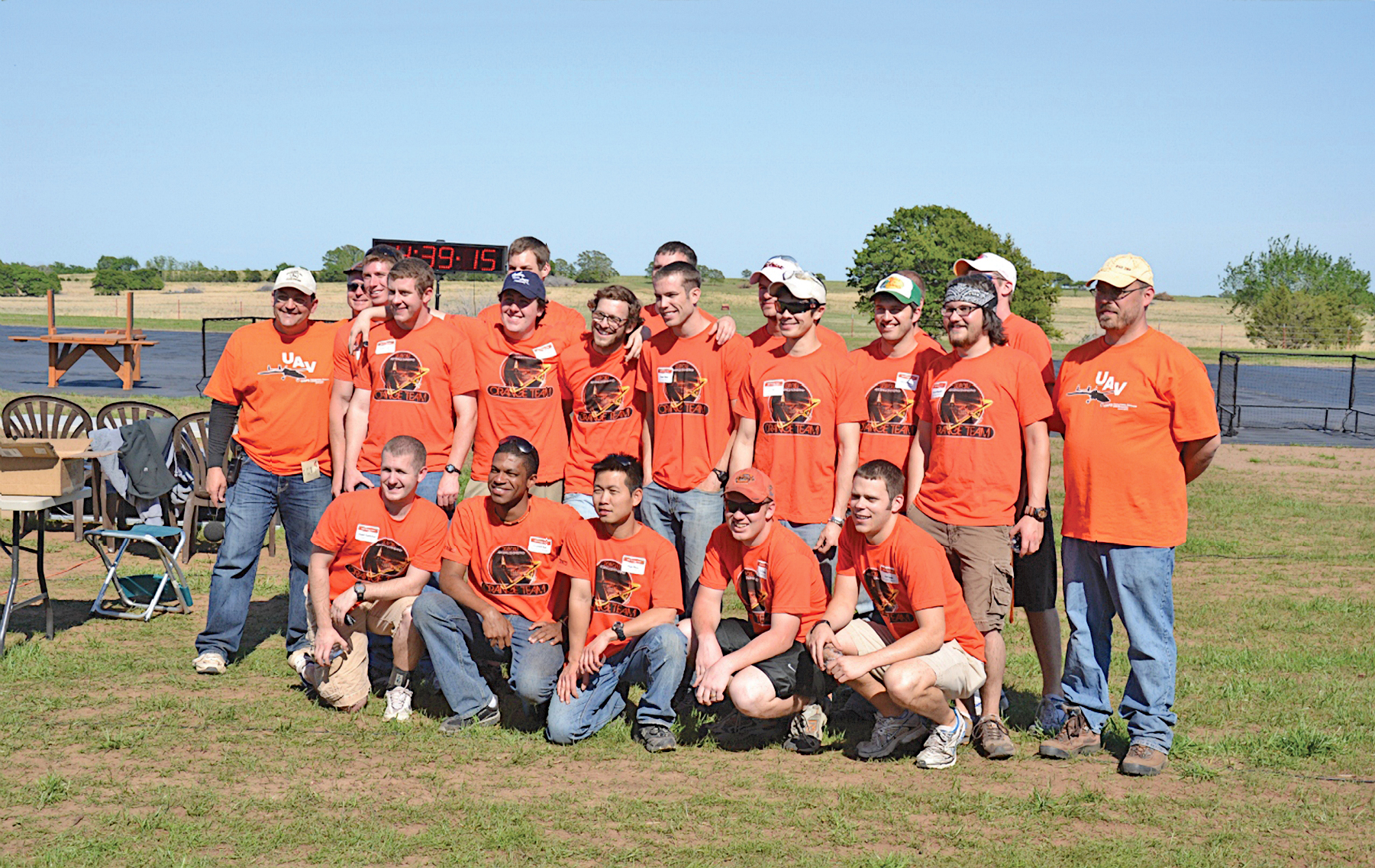
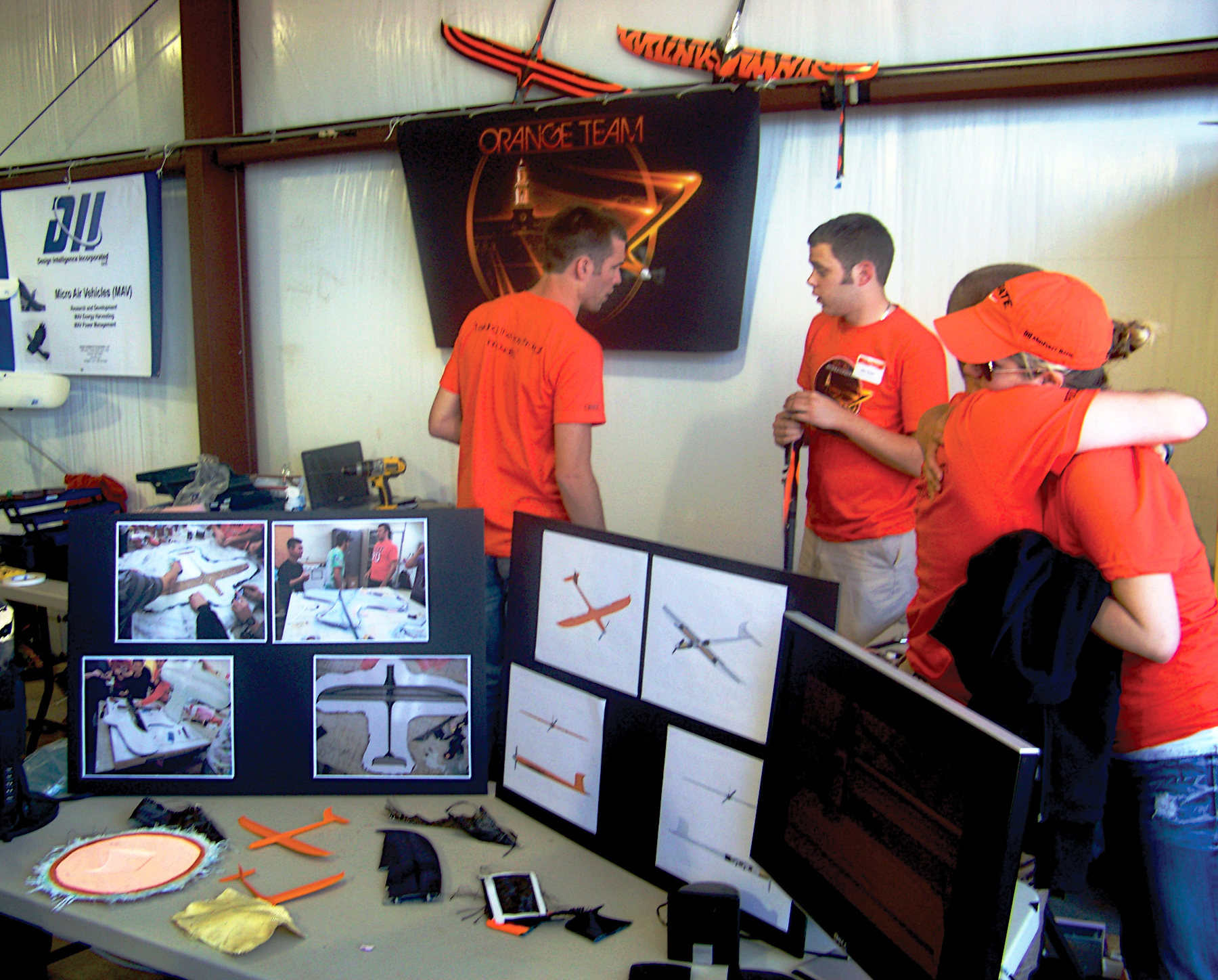
Organized into two teams, the Orange Team and the Black Team (named for the university’s school colors), the students were further divided into three subgroups, each responsible for either the aeronautical design, the structure of the aircraft, or the power components. Close teamwork and cooperation became mainstays for all of the students involved as the semester progressed.
To give both teams specific focus, the aircraft requirements were set forth as the general framework for the project at the outset of the semester. The requirements included:
• Electric propulsion only, using 11.1-volt battery packs of any capacity.
• A 40-amp McMaster-Carr safety fuse, which must be externally accessible as the arm/disarm link.
• The aircraft must take off without a human touch after the propulsion system is armed.
• Propellers and batteries may be changed between missions, but no other part of the aircraft configuration may be changed.
• Multiple models may be used as long as they are identical in geometry and weight, excluding the batteries and the propeller.
For the most part, these requirements allowed the teams to use off-the-shelf battery and propulsion systems, as well as brand-name 2.4 GHz radios to keep the airplanes on course. These requirements tended to dictate the aircraft size and weight and, as a consequence, both design teams ended up with aircraft that were similar in geometry, although the Orange Team came up with a blended wing/body with a span-wise battery pack which the team members custom-soldered.
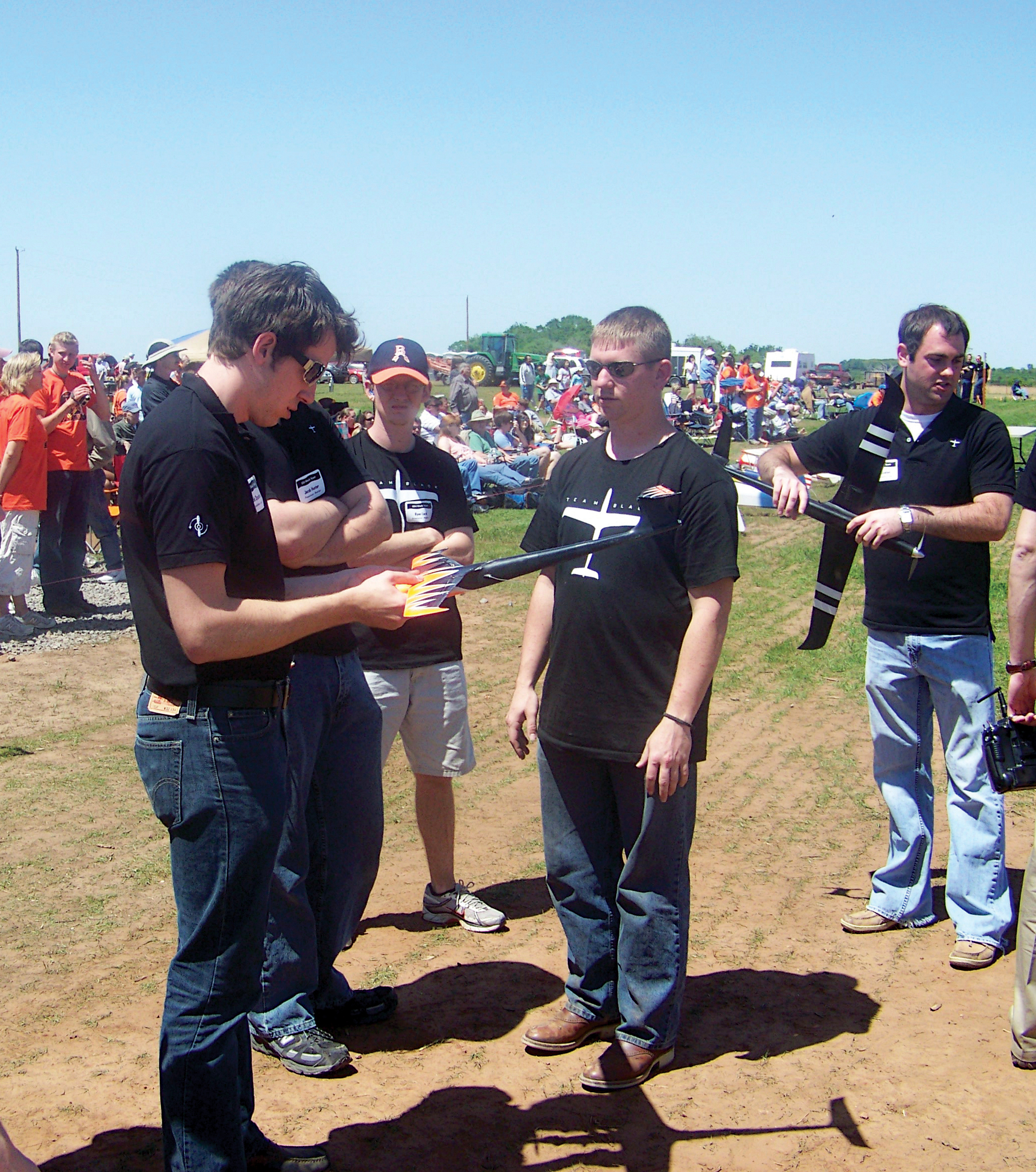
The Black Team opted for all-molded composite construction designed to stand the force of the calculated 15 Gs in the required high-speed turns. That need to turn at a high G-load was a function of the two missions the models had to perform.
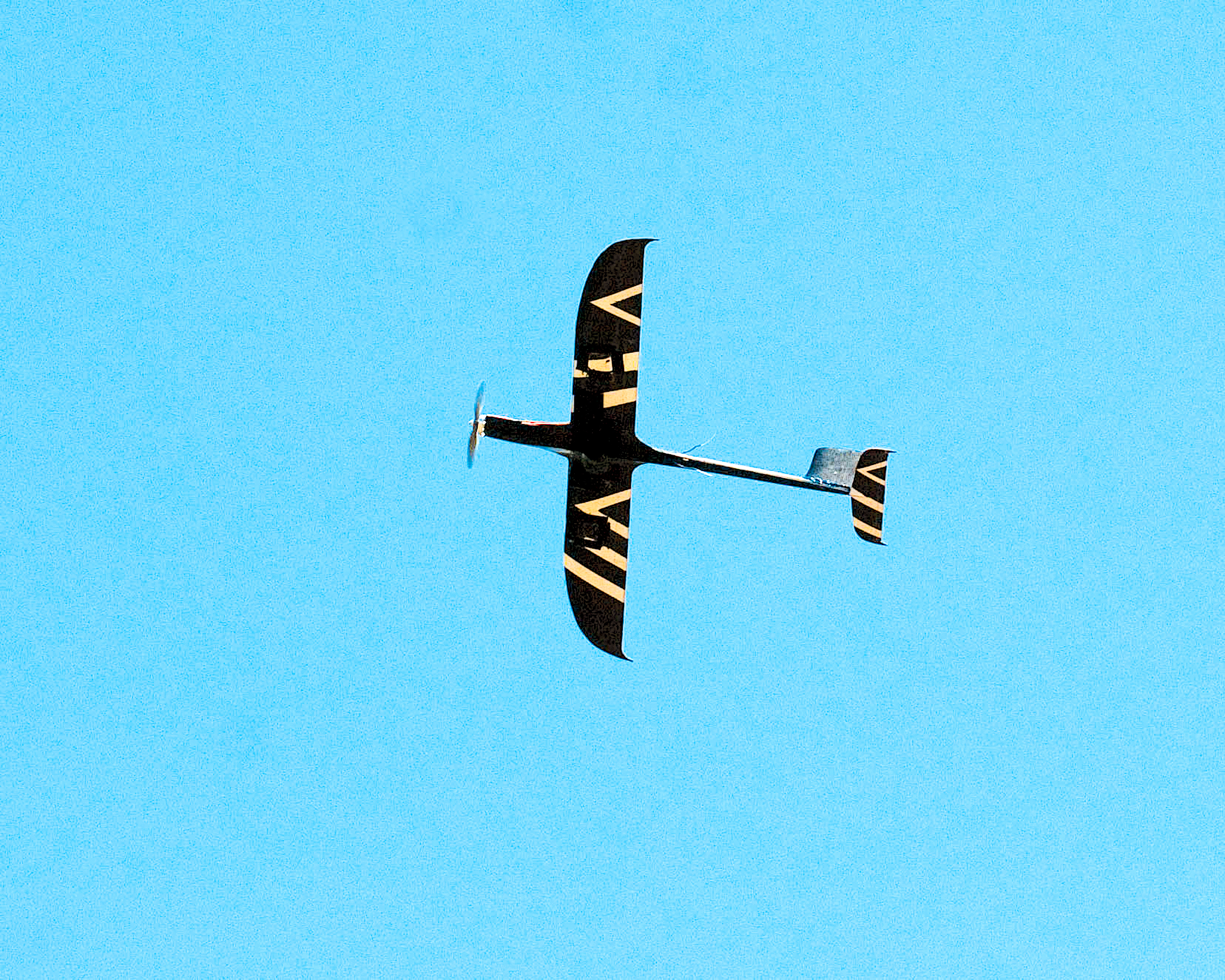
Mission one was a pylon course with pylons set at 600 feet apart. The models had to fly 10 laps in a Figure Eight pattern with all turns away from the pit and launch area. Mission two was a flat-out speed dash with timing set for the length of the 600-foot course. Timing occurred during two full-speed passes—one in each direction.
To eliminate speed from a diving start, the models had to be level as they entered the measured course and maintain that attitude throughout the run. Two complete runs were averaged to determine the models’ top speeds.
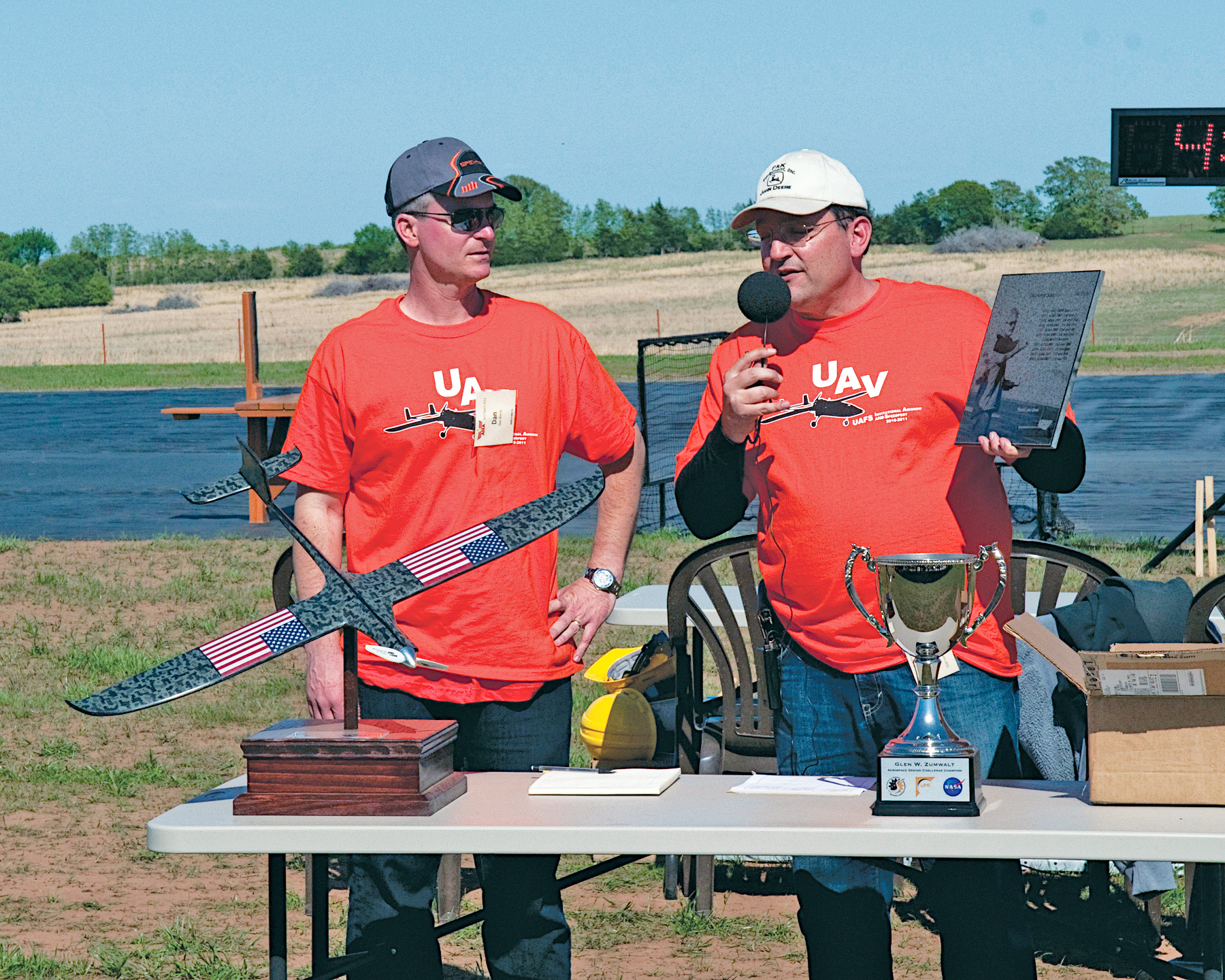
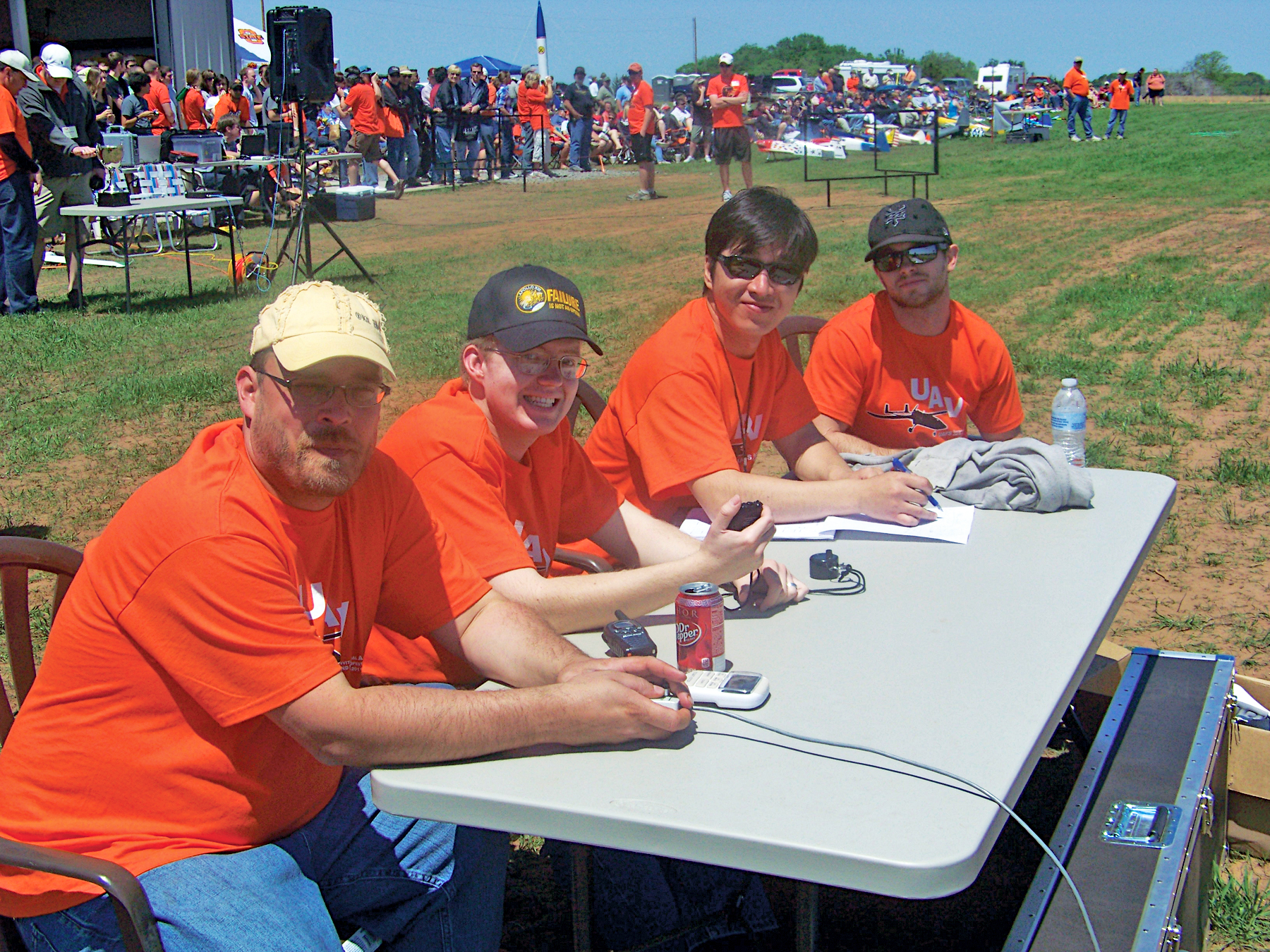
To assure compliance with the rules, a judging panel, comprised of graduate students, was assembled. Because of the precise requirements of both speed runs, Dan Bierly, an experienced RC pilot from the Stillwater R/C Flyers Club, served as the pilot for both teams for safety and consistency reasons.
One of the interesting ancillary features of the competition was the third design requirement: that of no human touch after the propulsion system was armed. This proved to be a separate engineering challenge in itself.
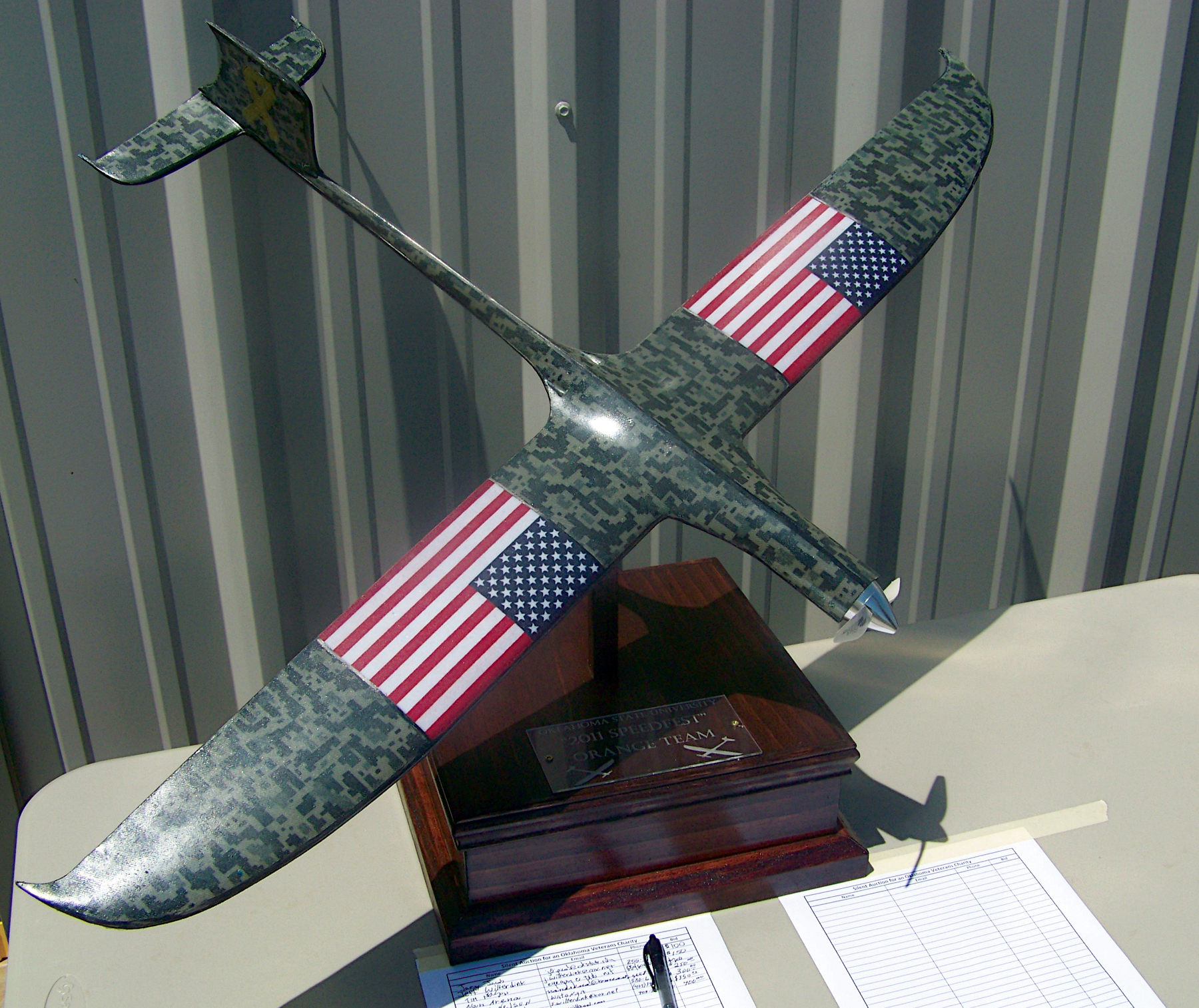
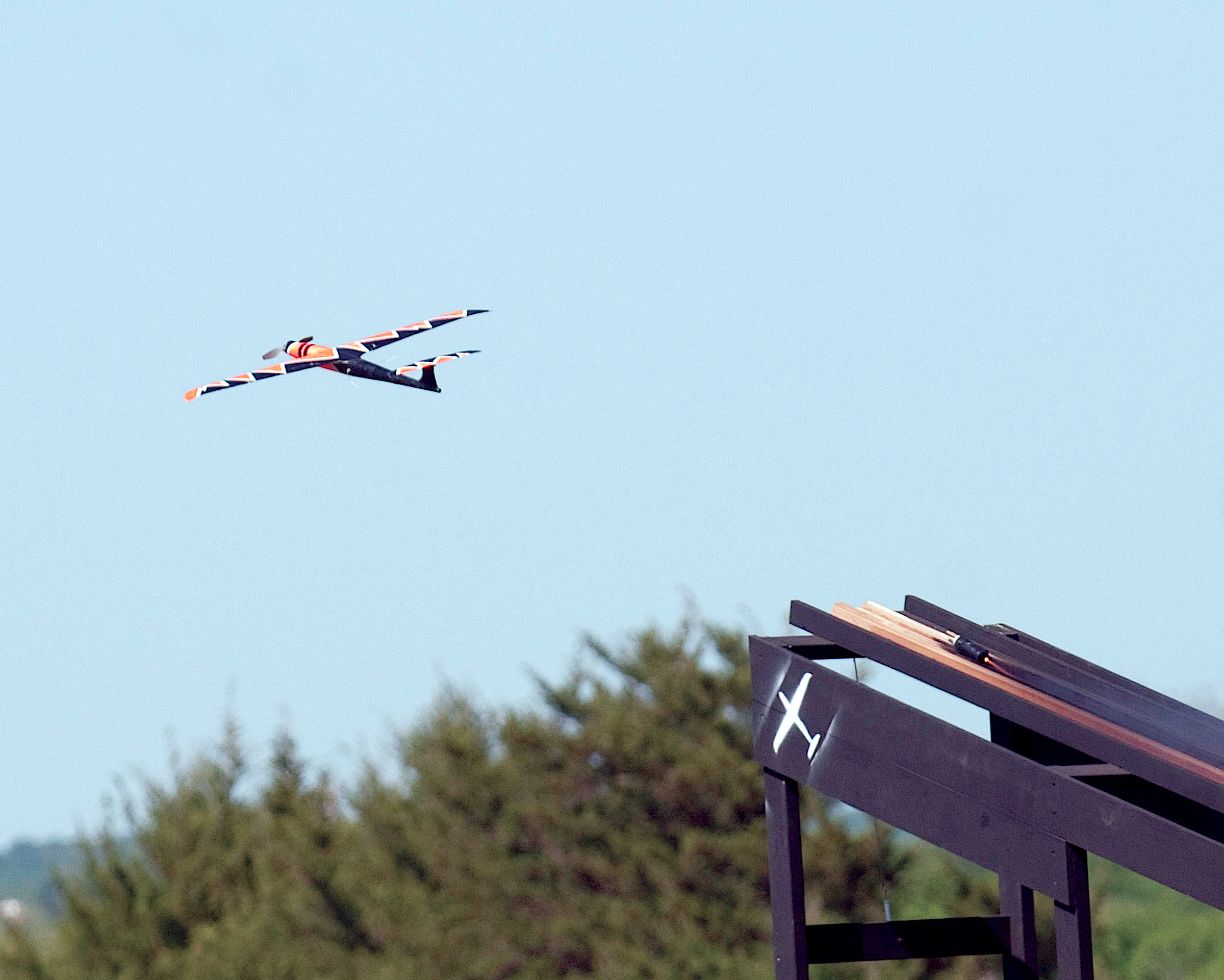
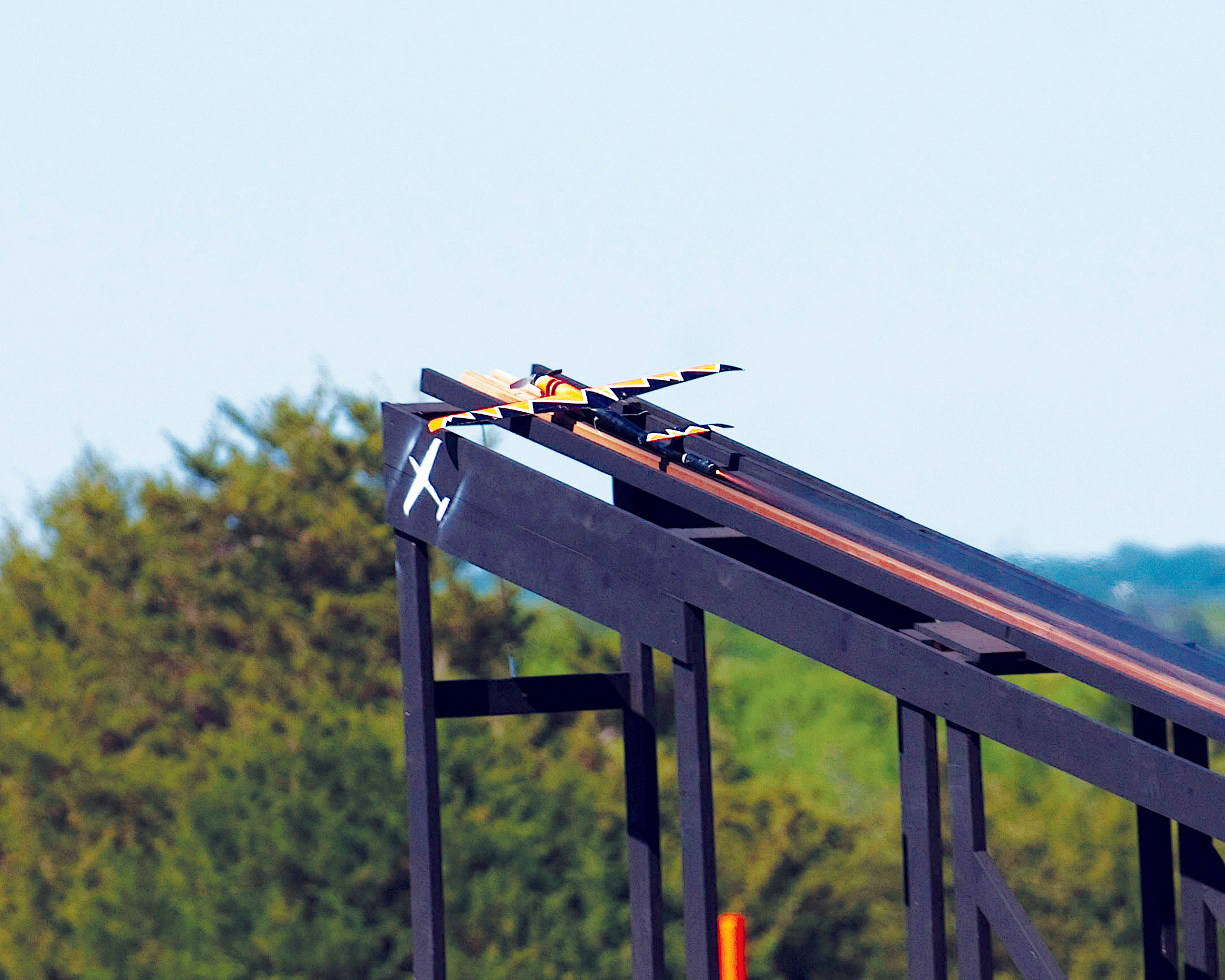
Because the aircraft had no landing gear, the student design teams had to come up with a way of getting their respective airplanes into the air at a workable altitude before the electric-powered propeller took over. Both teams came up with a ramp solution to the problem; however, the solution to getting to the top of the ramp with adequate flight speed was handled in two different manners.
The Orange Team took its cue from the Wright brothers and other early aviation pioneers by using a catapult to get the orange-winged aircraft up to flight speed before the motor kicked in.
The Black Team, on the other hand, opted for a more modern method of getting its airplane into the air by employing a short-burning rocket-boost motor placed at the rear of the airplane to push it up the ramp to flying speed.
Although neither solution appeared to be more advantageous than the other, both systems worked reliably to get the airplanes into the air and to the mission requirements. They were indicative of the creative aspects of the project.
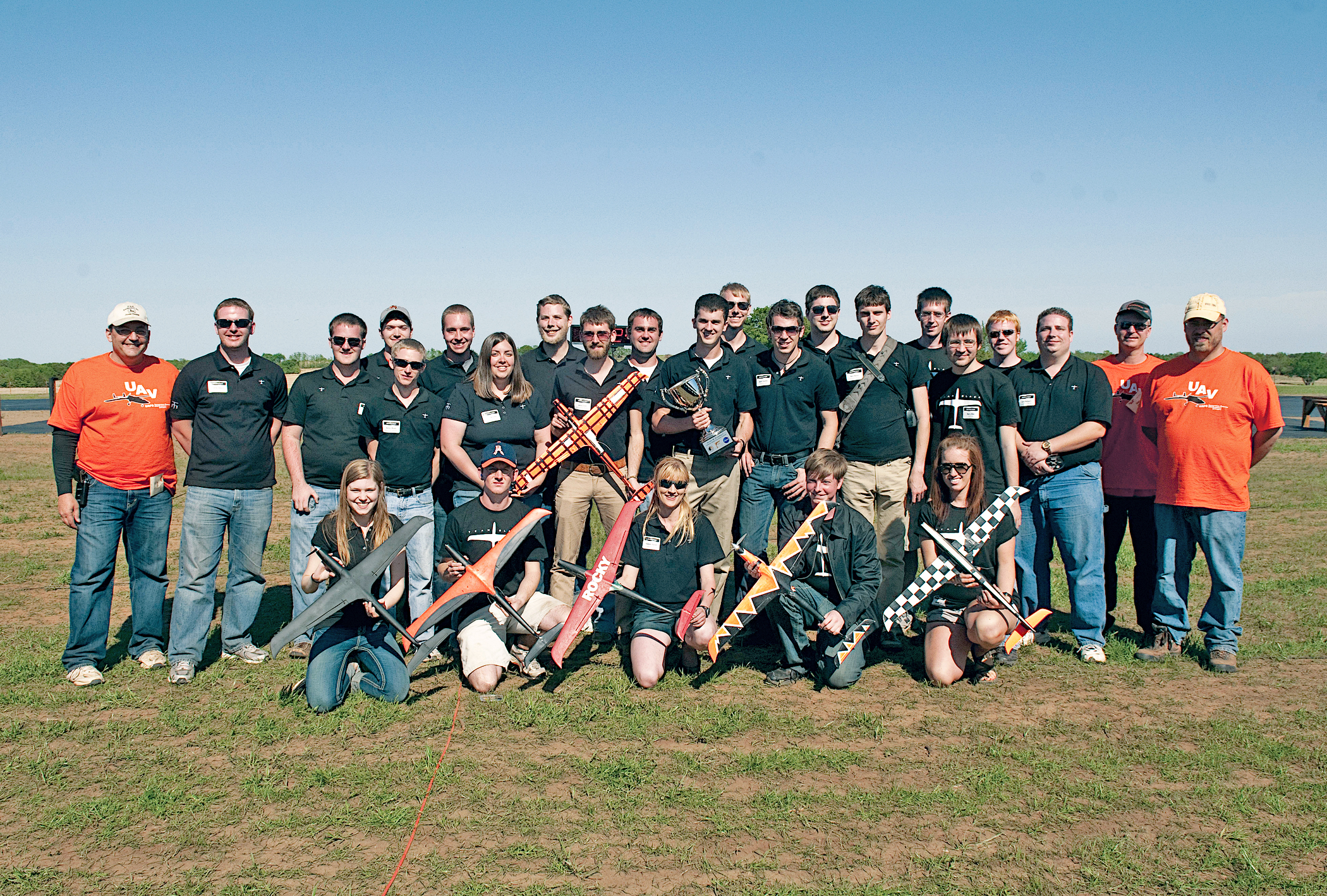
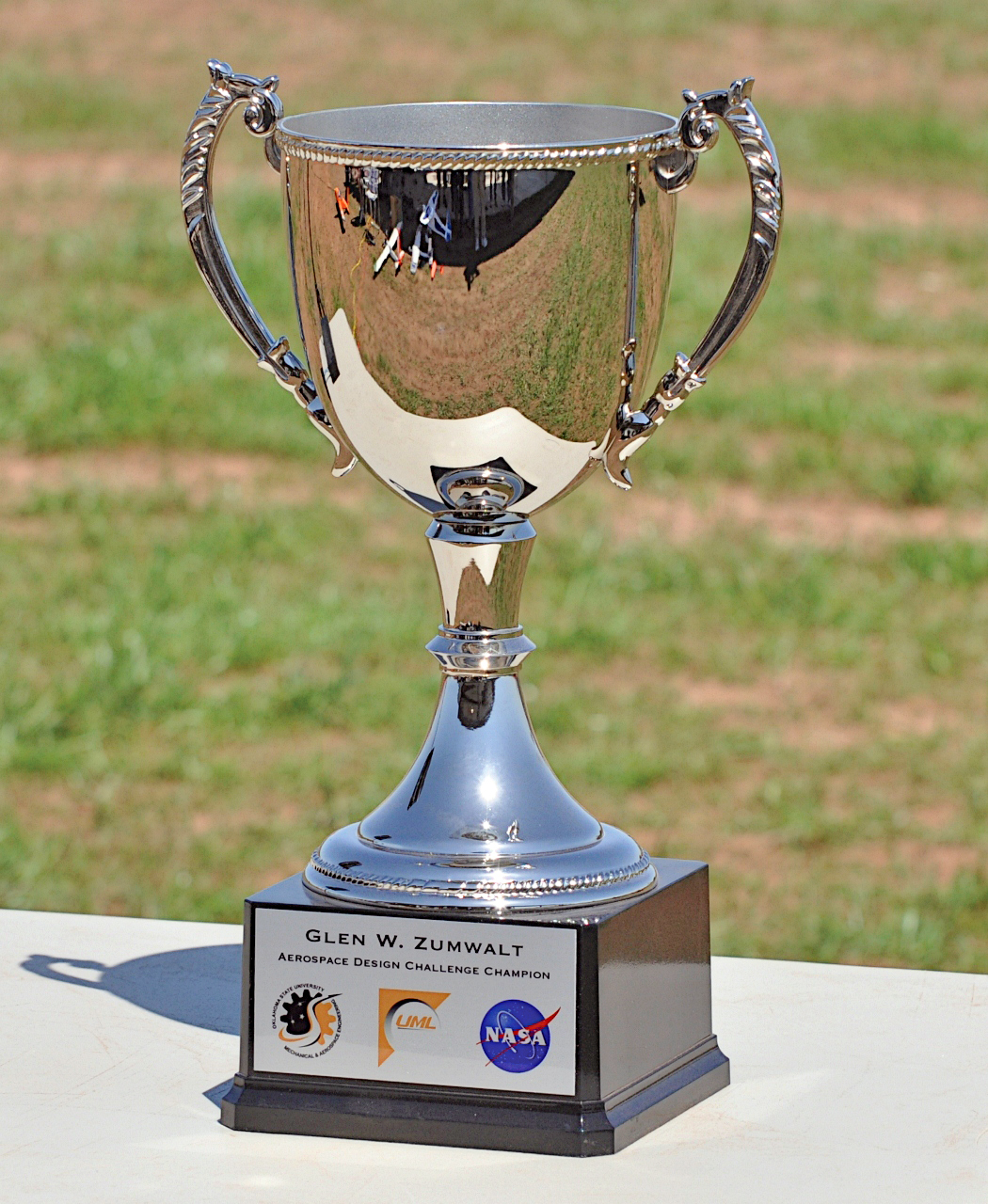
The upshot of the day-long competition was that, after several lead changes throughout the day and back-and-forth bantering between the students, the Black Team won with an impressive 171 mph in the speed dash, and an average of 149 mph in the pylon course. The competition was so close that it took the full seven rounds to determine the winning team.
Winners or not, the students were enthusiastic about the day and the whole experience. Orange Team leader, Isaac Reese, felt that the contest was very competitive, but “... we’re all friends, too. It’s kind of like a sibling rivalry.”
Wes Combs, the Black Team leader, was equally as pleased with the day as more than 750 parents, grandparents, fellow students, and aviation enthusiasts showed up for the event. “The air show aspect is nice,” he said, “because it brings it home so friends and family can come.”
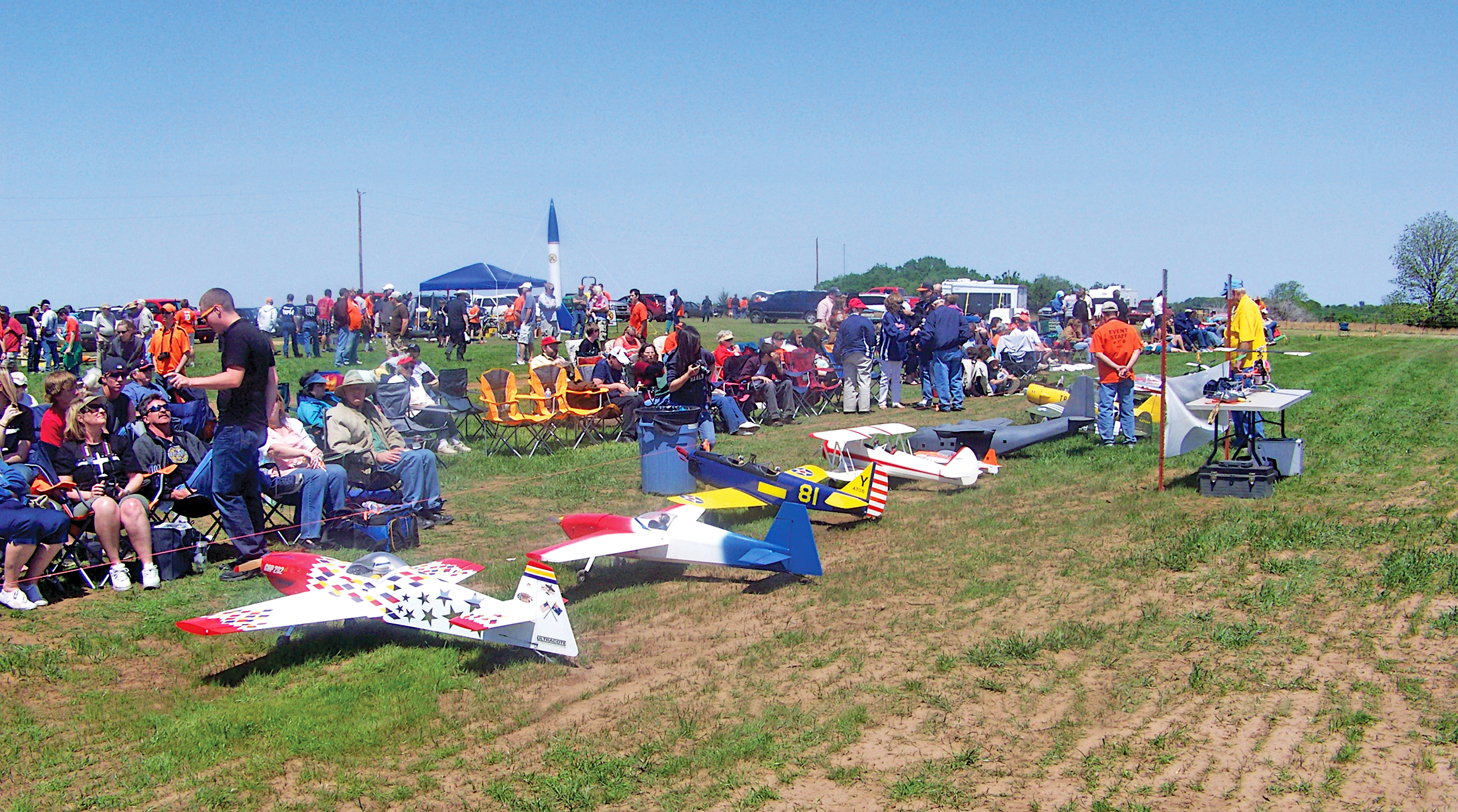
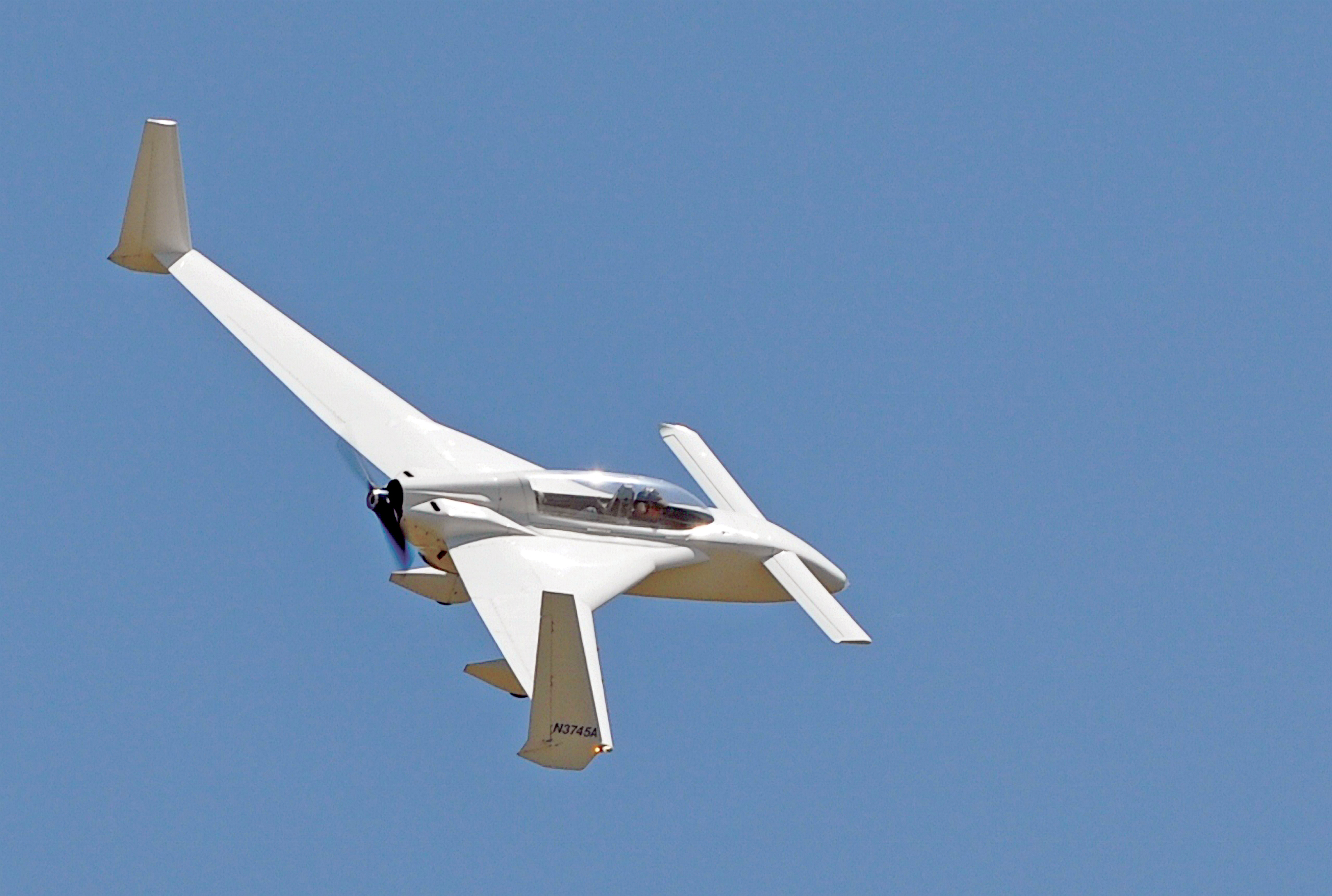
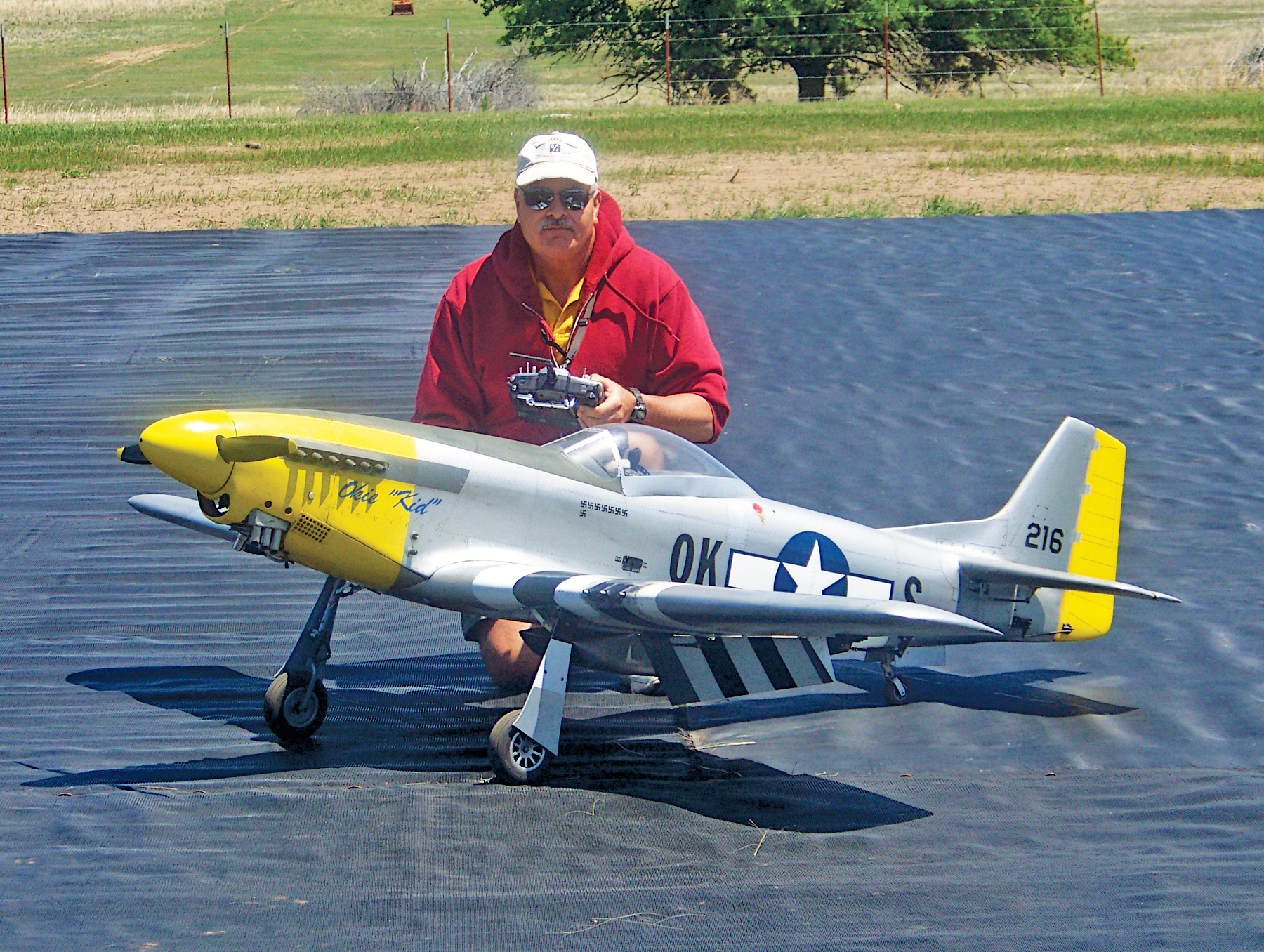
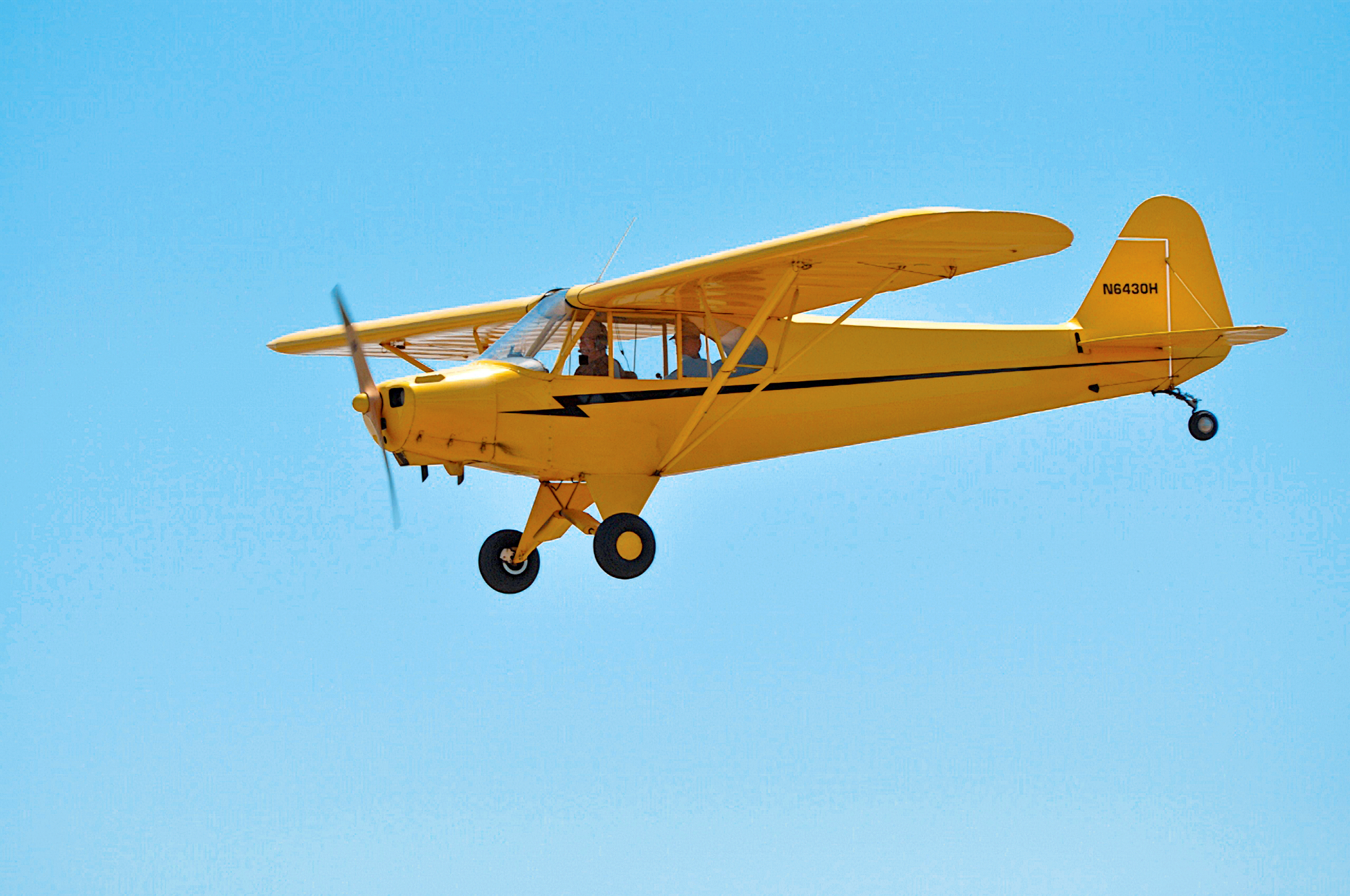
Billed as an invitational air show as well as a speed competition between two OSU teams, Speedfest 2011 put aviation’s best foot forward by using the set-up times between speed runs for demonstration flights by the Stillwater R/C Flyers Club and members of neighboring AMA clubs, full-scale flybys with antique and unusual aircraft, and a static rocket display by an area rocket club.
In wrapping up the entire experience, Dr. Arena said that the event was as much about relationships as anything else.
“Much of the work done on the new field was by students who were supported by the NASA Oklahoma Space Grant Consortium. Another very important relationship is that between aeronautical engineering and the University Multispectral Lab. Ken Viera, who is with UML, was instrumental in working with us on a joint proposal to make Oklahoma a center for UAS testing and economic development.”
Likewise, speaking for the Stillwater R/C Flyers Club, Gene Smith agreed.
“Thanks to the hard work of Dr. Arena, Dr. J.P. Conner, the OSU Aerospace students, the relationship with NASA, and our local club’s affiliation with AMA, the event was a major success … and we now have a new flying field, of which both OSU and our club can be proud.”
Next year’s [2012] capstone challenge for Oklahoma State University’s Aeronautical Engineering students, Speedfest II, is now being developed, but it will be difficult to surpass this year’s accomplishments for everyone concerned. Speedfest 2011 was a winner by any measure.
SOURCES:
Oklahoma State University
School of Mechanical and Aerospace Engineering
Speedfest Aerospace Design Competition and Exposition
AIAA
Stillwater R/C Flyers Club




Comments
Add new comment