As seen in the June 2026 issue of Model Aviation.
ONE OF THE greatest strengths of model aviation has always been its ability to inspire. For many of us, that inspiration began with a first visit to a flying field, a simple conversation, or that unforgettable first takeoff. Those moments matter, and they don’t happen by accident. They happen because someone took the time to welcome a newcomer.
As we look to the future of our hobby, it’s clear that every member and every club plays a role in creating those first experiences. Welcoming beginners isn’t just a positive gesture; it’s essential to the longterm health and growth of model aviation.
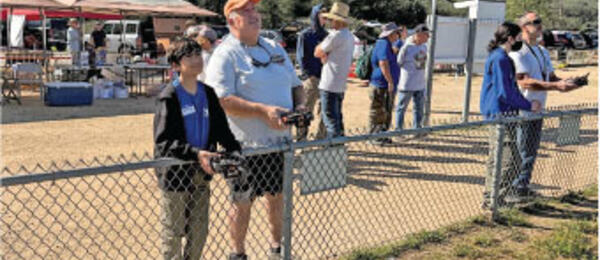
At the club level, creating an approachable environment is the foundation. First impressions matter. When someone visits a field for the first time, they should feel noticed and genuinely welcomed. A simple introduction, a brief explanation of what’s happening, or an invitation to ask questions can make a lasting impact. For someone new, the flightline can feel intimidating. It’s up to us to make it accessible.
Structured opportunities for engagement are equally important. Open houses, introductory days, and beginner-focused events provide clear entry points into the hobby. These don’t have to be complex. What matters is intentionality. Letting people know that they are welcome and expected goes a long way. Programs, such as buddy-box training, are among the most effective ways to help new pilots gain confidence and experience in a supportive setting.
Equally important is how we communicate expectations. Safety rules and procedures are critical, but they should be shared in a way that educates rather than discourages. Taking a moment to explain the "why" behind the rules helps newcomers feel included and respected. A supportive tone builds confidence and trust.
For individual members, mentorship is one of the most meaningful contributions that you can make. You don’t need to be an expert instructor to help someone get started. Sharing your experience, offering guidance, or helping someone select their first aircraft can make the difference between frustration and success. Patience matters—what feels routine to you might be entirely new to someone else.
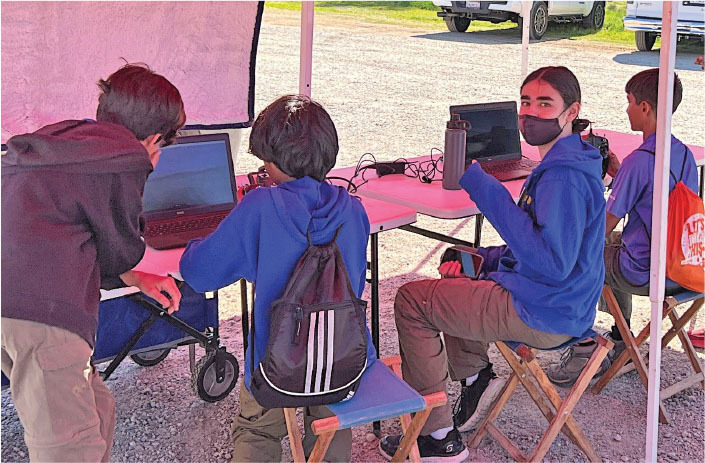
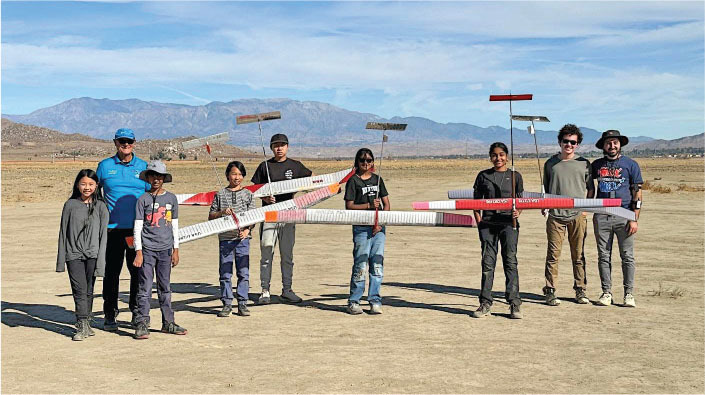
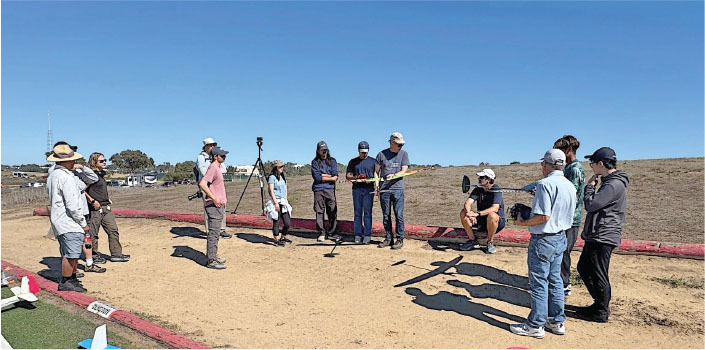
It’s also important to recognize that newcomers come from many different backgrounds. Some are drawn to building and engineering, others to flying, and many are through youth programs or school activities. Meeting people where they are and connecting their interests to model aviation helps create lasting engagement.
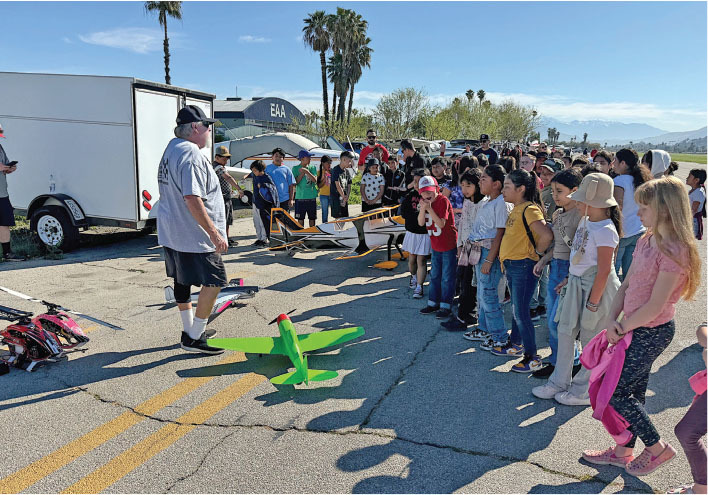
Clubs can strengthen this connection through outreach. Partnerships with schools, youth organizations, and community groups introduce model aviation to new audiences. Hands-on experiences, such as building a simple glider or participating in a supervised flight, can spark curiosity that turns into long-term involvement. These efforts not only grow our hobby but also help inspire future careers in aviation and aerospace.
Accessibility is another key factor. Cost and complexity can feel like barriers to entry. Clubs can help by offering trainer aircraft, loaner equipment, or clear guidance on affordable ways to get started. Reducing these barriers makes it easier for someone to take that first step.
Finally, culture matters. A club built on respect, encouragement, and camaraderie will naturally attract and retain new members. Celebrate progress, encourage questions, and create an environment where people feel comfortable learning. When newcomers feel like they belong, they stay and eventually become mentors themselves.
The future of model aviation isn’t dependent on a single program or initiative. It’s shaped by the everyday actions of our members and clubs. A welcoming attitude, a willingness to teach, and a commitment to inclusion can turn curiosity into a lifelong passion.
Every time we welcome someone to the flightline, we’re not just introducing a hobby—we’re passing on a legacy. Let’s ensure that this legacy is defined by openness, support, and a shared love of flight.



Comments
Add new comment