
AMA President | amapresident@modelaircraft.org
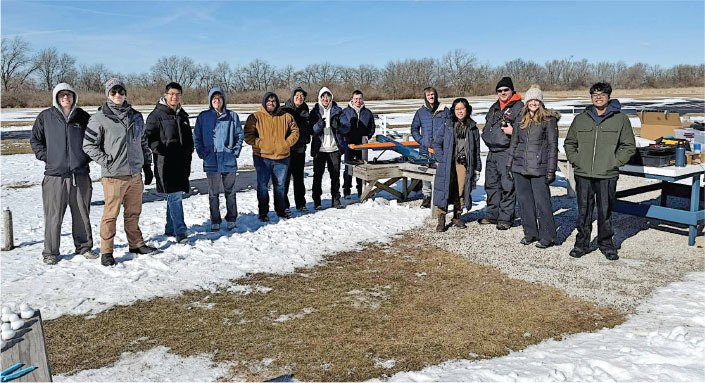
EVERY JOURNEY into aviation begins first with a invitation to explore. For many young people today, that invitation comes through youth programs such as Scouting, 4-H, Science Olympiad, and other schooland community-based activities. While these programs might look different on the surface, they share something powerful in common: they provide accessible, inspiring entry points into model aviation—and into futures shaped by science, engineering, and flight.
Model aviation has always been more than a hobby. It is a hands-on learning experience that brings abstract ideas to life. Youth programs introduce students to flight in ways that feel natural and exciting. Building a glider for a Science Olympiad competition, flying a model airplane at a Scout event, or testing design changes through a 4-H project, all create moments when curiosity turns into understanding. These are often the first steps into a much larger world.
Scouting, 4-H, and Science Olympiad work especially well as entry points because they meet young people where they already are—at school, in their communities, and within trusted youth organizations. Through these programs, students are exposed to the fundamentals of aerodynamics, materials, and propulsion without realizing that they are laying the groundwork for future technical skills. Model aviation becomes the bridge between curiosity and competence and between learning and doing.
What makes this collective approach so effective is how seamlessly youth can move from one experience to another. A student who builds a glider for Science Olympiad might seek out a local AMA club to improve flight performance. A Scout who enjoys an aviation activity might continue flying through 4-H or join a club to learn RC. Each experience reinforces the last, creating a pathway that grows with the individual rather than ending after a single event.
As youth advance, model aviation continues to challenge and inspire. They learn to analyze performance, troubleshoot failures, and refine designs. They discover that setbacks are a part of the process, and that improvement comes from persistence and experimentation. These lessons mirror the realities of engineering and aviation careers, where testing, iteration, and teamwork are essential.
At the collegiate level, this pathway becomes even more visible through programs such as Design/Build/Fly (DBF). Many DBF students trace their interest in aerospace back to early experiences in youth programs and model aviation. AMA’s support for DBF flight testing—through access to flying sites, safety guidance, and insurance—helps ensure that these students can safely apply years of accumulated knowledge. In doing so, they gain practical experience that prepares them for careers in aerospace engineering, flight-testing, unmanned systems, and beyond.
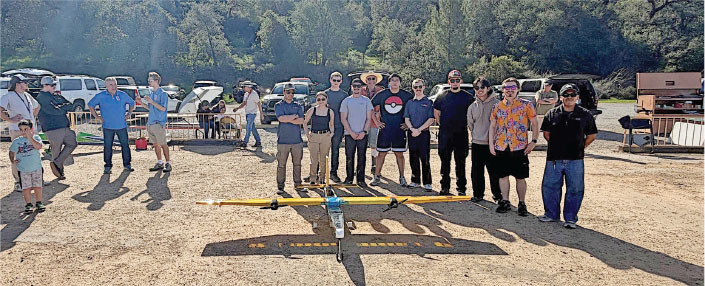
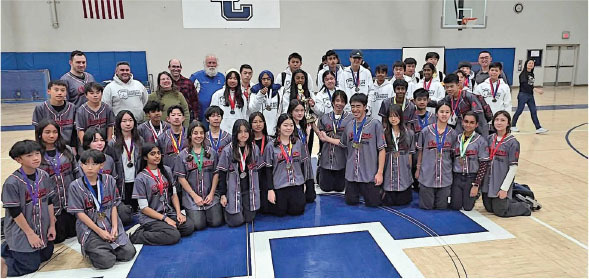
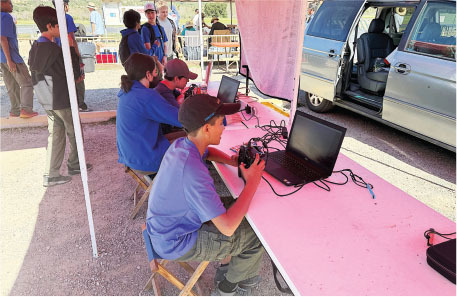
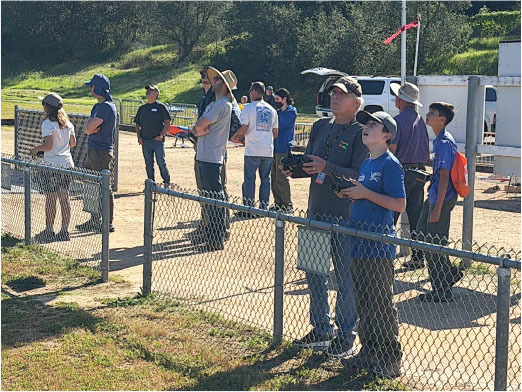
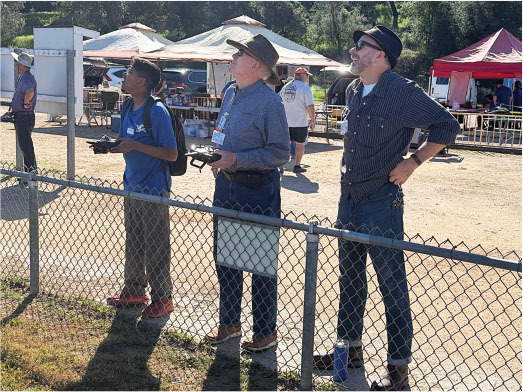
The common thread through all of these programs is model aviation itself. It connects youth programs, clubs, and collegiate teams into a single continuum of learning. Model aviation teaches young people not only how aircraft fly but also how ideas become reality. It builds confidence, encourages creativity, and fosters a sense of belonging within the aviation community.
This success depends on the commitment of AMA members and clubs. When clubs welcome youth programs, host events, or provide mentorship, they are opening the door to flight for the next generation. These efforts ensure that model aviation remains accessible, relevant, and vibrant.
The future of aviation and aerospace will be shaped by those who first discover flight through youth programs. By supporting Scouting, 4-H, Science Olympiad, and other youth initiatives as collective gateways into model aviation, AMA is investing in more than programs—we are investing in people. Through them, we are securing a strong and inspiring future for model aviation.



Comments
Add new comment