By Peter Vogel
As seen in the Model Aviation “RC Aerobatics” column, March 2016
If you read the January 2016 “RC Aerobatics” column, you know what inspired my passion for RC Aerobatics (Pattern). However, if you are like most of the people I’ve met at the clubs I belong to, as well as clubs I’ve visited throughout the past few years, you probably haven’t had much exposure to Pattern pilots or RC Aerobatics.
Some fliers only bring one or two airplanes to the field and seem to fly the same way every time, without really understanding what or why they are doing what they do.
As part of a continuing series, I want to share some brief interviews with some of the best-known names in RC Aerobatics, to get a sense of how and why they got into flying RC Pattern and how it has influenced their RC and non-RC careers.
Who better to start with than the three-time team captain of the US Fédération Aéronautique Internationale (FAI) F3A World Championship for Aerobatic Model Aircraft Team, which recently brought home the gold World Championship Team medal for the third time in a row!
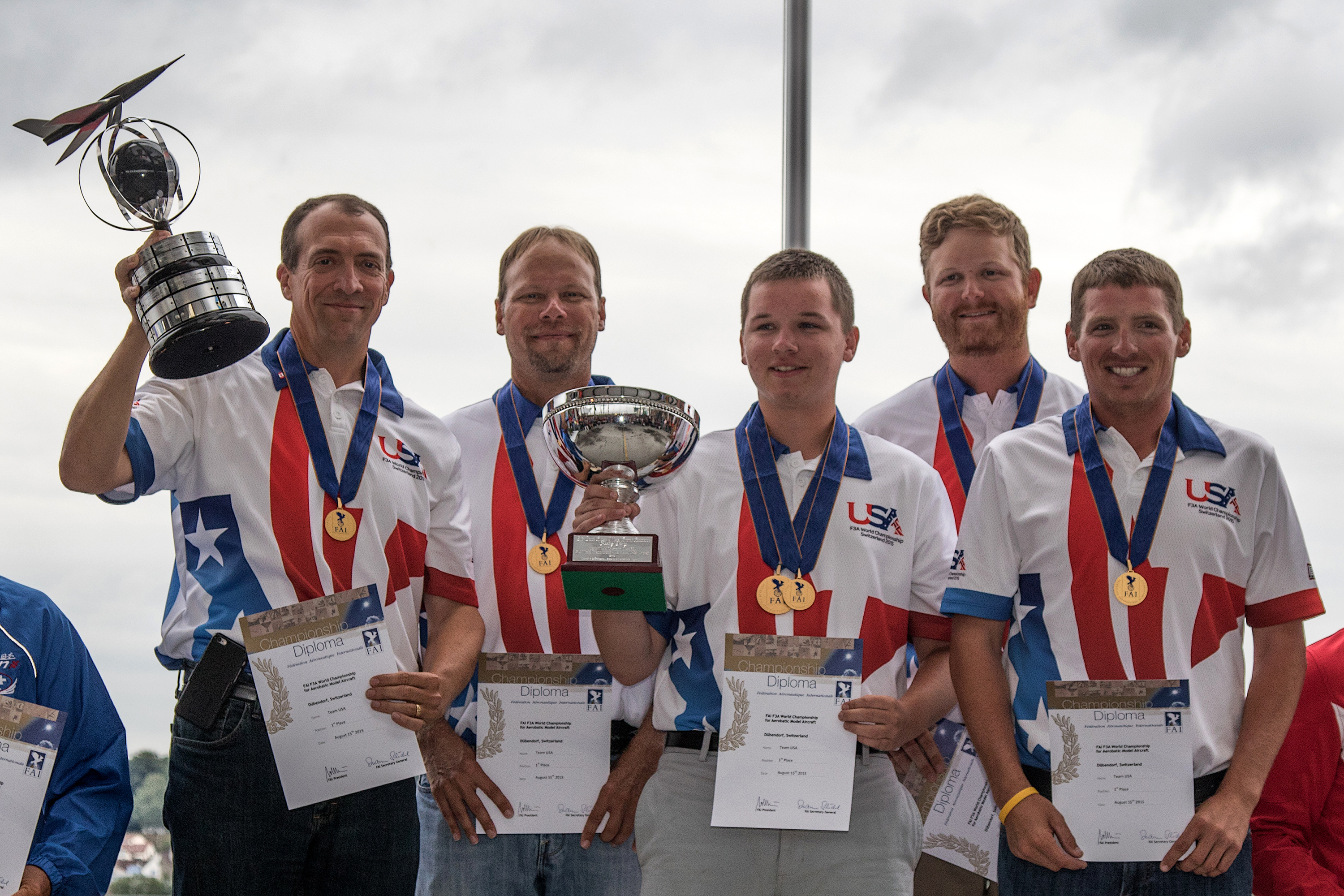
Many have heard of the name Andrew Jesky, or “AJ” as he is known because of his Laser aircraft designs sold through the AJ Aircraft model company, the AJ Slick airplane that other companies sell, or the instructional DVDs he did with Higher Plane Productions. What got him into RC Aerobatics, what motivates him to continue, and what advice does he have to offer to those who have never flown Pattern?
Peter Vogel: Tell me about your flying career, when you got started, and what you did before you got into flying RC Aerobatics.
Andrew Jesky: I started flying models at the age of seven. My brother and father started a year before I did. I was sitting out at the field while they were flying and a gentleman named Dave George came up and asked if I wanted to fly. Of course, my answer was yes!
From that day forward, I have continued to fly—21 years and counting! I’m forever indebted to Dave and another gentleman named Paul Floccari. They allowed my family to really get into the hobby and I will never be able to thank them enough for what they did.
PV: What piqued your interest in flying Pattern?
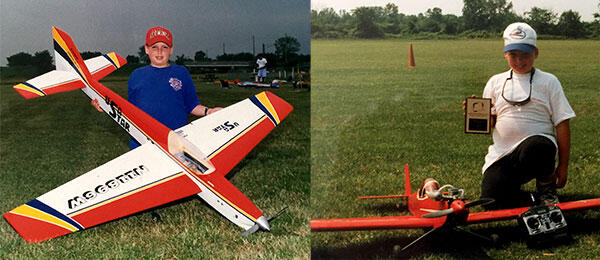
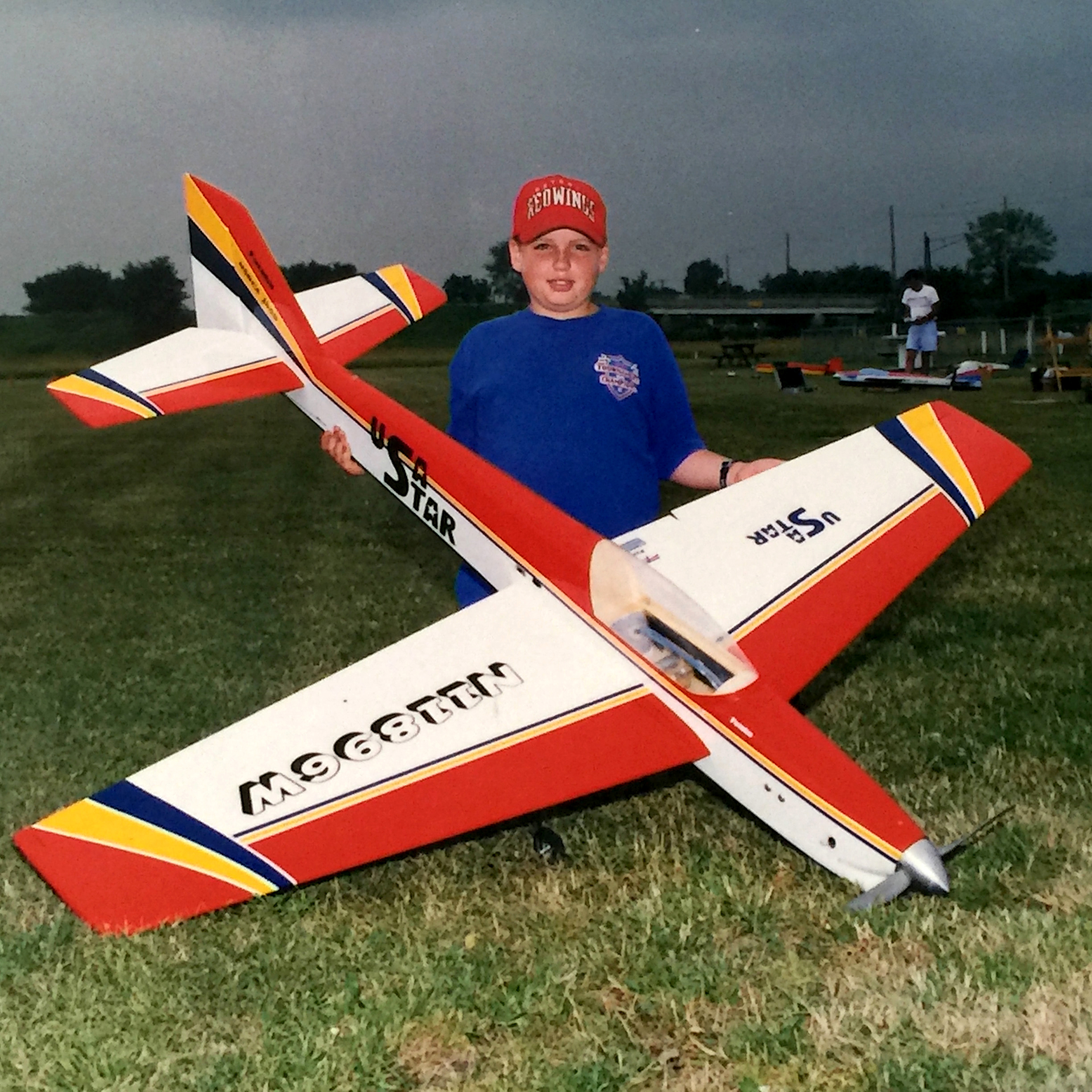
AJ: For me, Pattern started with the local club having a contest during the year. Bob Kane was just getting into Pattern and he let my brother fly his airplane and we were hooked. The next year my brother had a USA Star and we were full-on into the Pattern mode.
PV: Who were your biggest influences as you learned to fly Pattern and came up through the classes?
AJ: My biggest influences were Verne Koester, Jason Shulman, Mark Atwood, Kirk Grey, and Quique Somenzini. I was very fortunate at a young age to get to know them and they really took me under their wings and guided me along while flying through all the classes.
I owe a special thanks to Jason and Verne, because every year before the Nationals, both of these guys would go out of their way to help me prepare for the contest while trying to prepare themselves.
PV: Tell me a little about your first contest. What mistakes did you learn from?
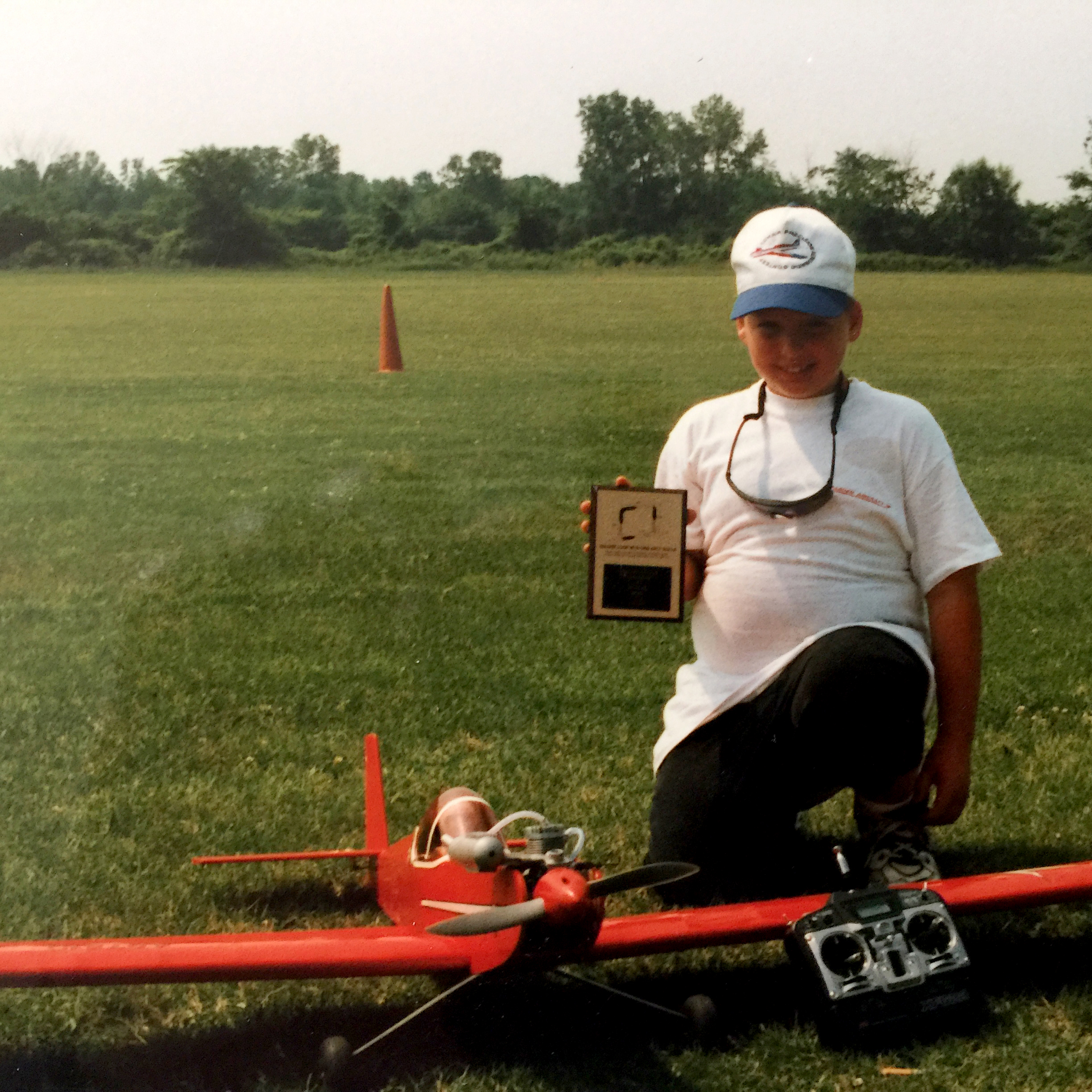
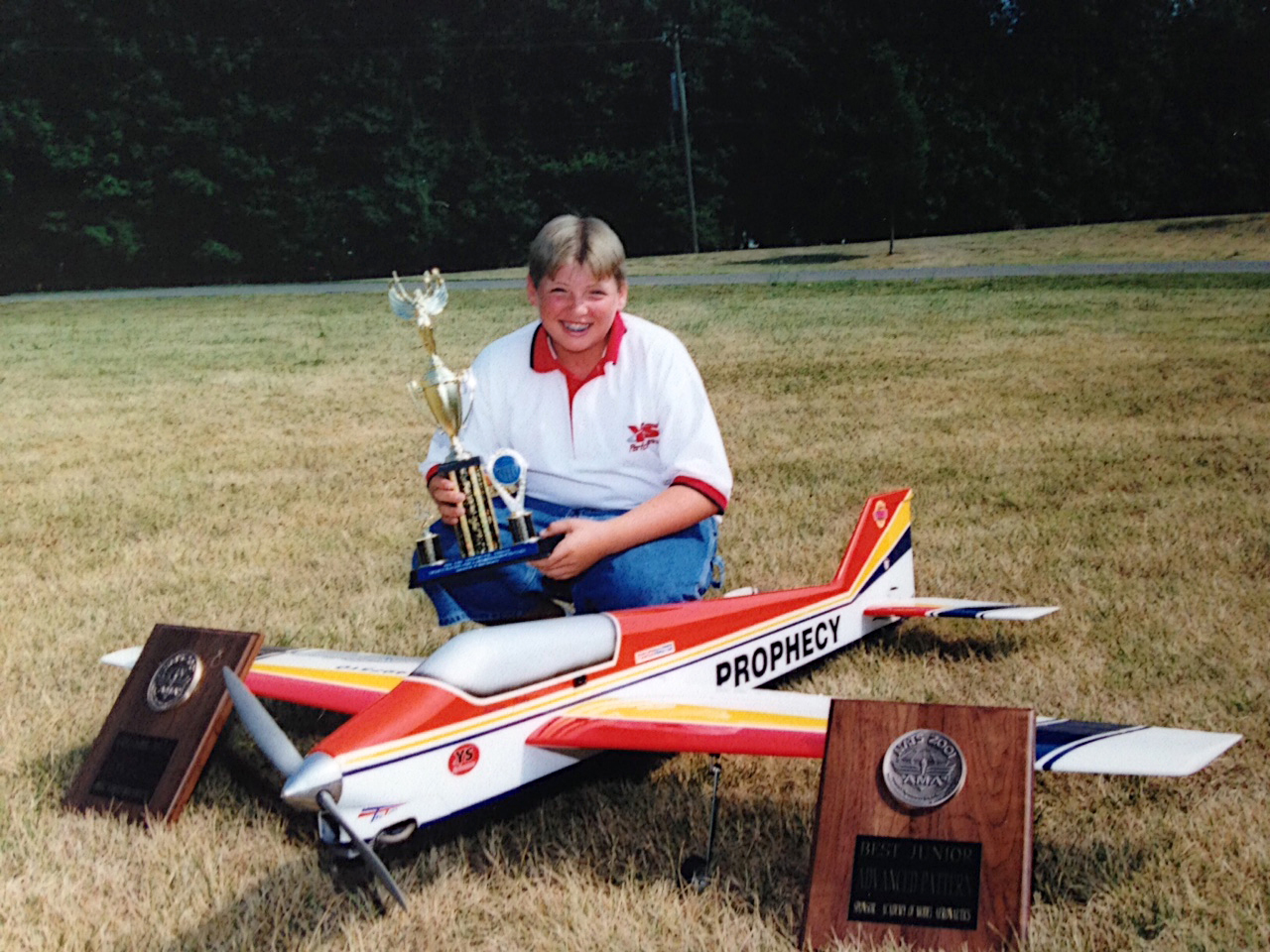
AJ: My first contest was in Indian City, Michigan. I was pretty new to what I was doing, but I had a blast. I was flying a Four-Star 40. I think the thing I took away from the contest is how important it was to practice. Even to this day I can remember back to those early days, putting in the time flying, and that is why I still practice as much as I do today.
PV: How long were you competing before your first win?
AJ: I think it took me about a year to get my first win in Pattern. I was flying in Novice with a 60-size airplane and it really felt great to know that my practice had paid off.
PV: What did that first win feel like?
AJ: It felt great to know I could do it, and I was already hooked, so tasting victory was just that much sweeter.
PV: I know you have a rigorous practice discipline, putting in at least six flights a day. At what point in your competition career did you start to apply that level of practice?
AJ: My practice routine is a bit crazy, but it is what I enjoy doing. I fly six flights a day, six or seven days a week when the season is in full swing. I don’t think that you can pinpoint when you start flying that much. It is different for everyone. I know many who are able to pick up new sequences and quickly fly them very well. I think that for me it takes a bit longer to do this, so I have to put the practice in early and fly often to keep the level of flying where I want it.
With that said, there is also overpracticing. I have been in that situation, where you are not improving and actually making mistakes you normally wouldn’t. When that happens, I just pack my airplane up and go home.
I don’t need to analyze what is happening—I just know my head is not in it.
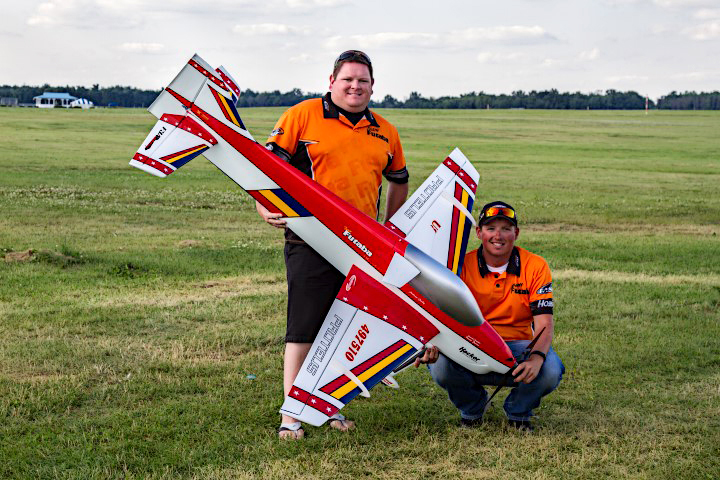
PV: You’ve obviously accomplished much in your RC career—captain of three World Championship teams and wins at premier International Miniature Aerobatics Club (IMAC) events such as the Tucson Aerobatic Shootout, etc. You’ve also built a career as a UAV test pilot because of your flying skills. What keeps you continuing to compete and maintaining the practice discipline that you do?
AJ: What drives me is one simple statement that Verne Koester made to me when I was young. He said, “There is no such thing as a perfect flight in Pattern.”
It’s very true, but it is what drives me to go out and try to perfect the sequences as best I can. Knowing there is always room for improvement really pushes me to strive for that perfection.
The new sequences change every two years in F3A, and that allows me to not get burned out with them.
PV: What advice do you have for RC pilots today, particularly those who love flying, but don’t know if they want to get into competition, or are more interested in disciplines other than RC Aerobatics?
AJ: What I would recommend is trying it one time. I think that if someone is within an hour of a Pattern contest, he or she should go and try it. Print the Sportsman sequence from the National Society of Radio Controlled Aerobatics (NSRCA) and give it a try.
Everyone at a contest is so helpful to everyone else—especially newer people getting into it. I know Pattern is not for everyone, but I think it will really hook a few who are not sure.
SOURCES:
AJ Aircraft
(734) 244-4015
www.aj-aicraft.com
IMAC
www.mini-iac.org
NSRCA
www.nsrca.us
2025 FAI F3A World Championship for Aerobatic Model Aircraft
https://2025wch.usaf3a.org
TEAM USA F3A
www.teamusaf3a.com


Comments
Add new comment